Introduction:
Red acne on the face is a prevalent problem that many individuals nowadays, of both sexes, experience. Although there are several causes of acne, one of the primary ones is hormonal fluctuation. There are solutions to overcome this problem, even if you’re sick of looking for a workable solution. The greatest medications that might treat hormonal acne will be found in this post.
- Being exposed to sunlight
- Being sensitive to skin
- Using creams and lotions that are damaging to your skin type
- Pollution
- When bathing or washing one’s face, unfiltered water is utilized
Changes in hormones are one of the primary reasons why this might happen to your face. It may be necessary to see a doctor during this period and locate an appropriate medication, such as Accufine 5 Mg.
There is conflicting data about the link between food and acne. Eating meals with a low glycemic index (GI) or avoiding particular items, such as cow’s milk, may be beneficial for some people, nevertheless.
The definition, items that may cause it, and dietary adjustments that one might make are all covered in this article. Other acne treatment options are also examined.
This skin ailment is prevalent in adults. Learn about the many types of acne and how to have clear skin again with a treatment plan.
This may be the consequence of elevated testosterone levels, which can cause the skin to produce more oil. Acne management may be aided by avoiding androgen-raising situations, such as stress.
Scientists are still discovering, though, how certain hormones impact acne. This illness can also be caused by a variety of other reasons, including germs and inflammation.
What Is Hormonal Acne?
The cause of acne is blocked, irritated pores. Tiny openings in the skin called pores allow sebum—an oily material that keeps moisture in—to be secreted. A pimple may develop if perspiration or other materials clog a pore.
Acne development can be caused by a variety of reasons, including:
- Having greasy skin
- Using pore-blocking items
- Genetics
- Taking certain drugs
- Exposure to the sun
- Hormones
People refer to acne that seems to be mostly brought on by hormone fluctuations by this colloquial word.
Individuals who have this may observe that they are more likely to have breakouts:
- Both before and during a period
- Throughout or following pregnancy
- Following the start or discontinuation of birth control tablets
- Throughout the menopause or perimenopause
Sometimes it is difficult to differentiate hormone-primarily caused acne from other forms of acne. But for others, the timing of their breakouts can be a clue.
This is not a skin disorder that just affects teenagers. Inflammation and bacteria known as Propionibacterium acnes are the two primary causes. Hormones also have an impact on acne. Androgen hormones can increase oil production and make skin cells sticky, which can block pores and result in outbreaks.
An outbreak that mostly affects your lower face, particularly cysts around the jawline and even down your neck, is a clue. According to some data, the majority of adults with acne break out just before their period.
For Whom Does Hormonal Acne Occur?
Although this affects both men and women, women, especially those who are pregnant or going through menopause, are affected more often than men.
Androgens and other hormones are released in excess throughout puberty, stimulating the sebaceous glands. Acne, especially hormonal acne, can result from this and is frequently found on the shoulders, back, and face.
Because of the increased swings in progesterone and estrogen, many women get acne before or during their periods.
Some women, especially those in the first trimester, may develop acne as a result of hormonal changes during pregnancy.
Women with PCOS frequently have elevated androgen levels, which can result in symptoms like acne and excessive hair growth.
This can also result from hormonal changes that occur as women approach menopause, such as an increase in androgens and a decrease in estrogen.
Although it is less prevalent in males than in women, hormonal acne can nevertheless occur in men, especially as a result of puberty or changes in testosterone levels. Men with specific diseases that impact hormone balance may also experience it.
This is a negative effect that some individuals may experience while using or quitting certain drugs.
Why Do People Get Hormonal Acne?
As the name implies, this typically happens as a result of a shift in a person’s hormones. It is more likely to happen to both boys and girls right before puberty.
During this period, acne, which usually affects the face, affects over 80% of men and women. It’s even regarded by some as one of the fundamental indicators of male and female puberty.
This is caused by the abrupt increase in hormones in both males and females during this period. This is caused by the dominance of testosterone in males and the secretion of sex hormones like progesterone and estrogen in females.
This hormonal shift does not, however, limit this to teenage males and girls.
This problem can affect people far into adolescence. Acne can happen whenever the body experiences a significant hormonal shift.
- Oil Production
Hormones that contribute significantly to the development of acne include androgens, including testosterone. Increases in testosterone levels, which occur during adolescence, menstruation, pregnancy, or diseases like PCOS, cause the skin’s sebaceous glands to generate more oil. Acne-causing bacteria can flourish in clogged hair follicles caused by this extra oil.
- Clogged Pores
Increased oil production can block pores by combining with dead skin cells. Inflamed blocked pores can develop into acne lesions such as cysts, whiteheads, or blackheads.
- Inflammation
Bacteria called Propionibacterium acnes proliferate when the pores are clogged. Inflammation may result, leading to painful, red, and large cysts or pimples, which are frequently observed in hormonal acne.
- Hormone Levels
Progesterone rises as a result of hormonal changes before and during menstruation, which can increase oil production and cause breakouts, especially around the chin and jawline.
Hormonal changes brought on by pregnancy may increase oil production, which can occasionally result in acne. In the first trimester, this is frequently most apparent.
Acne, excessive hair growth, and other symptoms might result from the hormonal imbalance that PCOS causes in women, which includes elevated androgens.
Certain birth control methods, particularly those that solely include progestin, can help balance hormones and lessen acne, but they can also cause or exacerbate hormonal acne.
Middle-aged women’s acne may be exacerbated by the hormonal changes that take place during perimenopause and menopause, especially the decrease in estrogen, which can raise androgen activity.
- Genetics
This may also be genetically influenced. You are at a higher risk of developing hormonal acne if any members of your family have a history of it, particularly if your hormones change a lot throughout puberty or later in life.
- Stress
Although cortisol, a stress hormone, might rise in response to stress, this is not directly caused by stress. More oil production and flare-ups of acne can result from cortisol’s impact on other hormones, such as androgens.

- Diet and Lifestyle
Certain lifestyle decisions and nutritional variables can exacerbate hormonal acne, even though they are not the main cause. Some individuals have reported increased acne as a result of diets heavy in dairy and refined sweets, which may affect insulin and testosterone levels.
This occurs when hormonal fluctuations raise oil production, which clogs pores, encourages the growth of germs, and causes inflammation.
Signs of Hormonal Acne
- Red blisters on the face
- Itching
- Burning
- Irritation
- Pain
One effective treatment for these kinds of pimples is the Accufine 10 mg tablet.
Large, uncomfortable cysts that develop deep beneath the skin are frequently the result of this. Unlike normal pimples, these cysts may not develop to a head and might be sensitive. Alternatively, they might stay beneath the skin for extended periods.
This is characterized by deep, painful pimples, which are often distinct from the smaller, surface-level pimples that are more prevalent in other forms of acne.
Particularly in women, this can occur during periods and frequently lasts longer than regular acne. It usually lasts and recurs frequently, particularly when hormone changes are involved.
Blackheads and whiteheads can also develop, especially on the forehead, chin, and jawline areas, even though this is frequently linked to cystic outbreaks. These result from blocked pores brought on by too much oil and dead skin cells.
Compared to other forms of acne, this one may be more unpleasant and inflammatory. The skin surrounding the afflicted region may seem red and swollen, and the pimples themselves may feel sensitive to the touch.
Particularly since stress may raise cortisol levels, which can then impact other hormones like androgens that cause acne, stress can exacerbate hormonal acne. If you see that your acne becomes worse while you’re under stress, there could be a hormonal component to it.
Is Pregnancy A Factor In Hormonal Acne?
The more you go through pregnancy, the better your acne usually gets. Salicylic acid, isotretinoin, and topical retinoids are among the medications you should avoid while pregnant. Inquire with your healthcare professional about the safest acne treatment to minimize and get rid of outbreaks while pregnant.
Because of the quick hormonal changes in the early stages of pregnancy, this could be more prevalent. As a woman’s body adapts to the spike in pregnancy hormones, she may break out.
Sometimes, when estrogen levels rise in the second and third trimesters, acne becomes better. Some women may have cleaner skin as a result of estrogen’s ability to lower oil production. On the other hand, some women could still have acne throughout pregnancy.
Expectant mothers with acne must consult a dermatologist or other healthcare professional. They can offer advice on how to handle acne during this time and suggest pregnancy-safe remedies.
The impact of pregnancy on acne might differ greatly from woman to woman. Pregnancy may make some people’s skin smoother, but for others, it may make it worse, particularly during the first trimester when oil production is higher. The pattern and intensity may vary depending on the skin type and hormonal swings of the individual.
This can get worse, especially in the early stages of pregnancy, so it’s important to pay close attention to safe treatment alternatives. It’s advisable to speak with a healthcare professional about the safest course of action if you have acne while pregnant.
How Do Hormone-Based Pills Treat Acne?
The majority of tablets on the market function similarly; however, they may vary depending on the brand or ingredients. The primary goal of these tablets is to prevent the unusually high oil secreted by the sebaceous glands from the skin pores.
You can see positive effects in a few days or weeks if you keep using medications like Accufine 30 Mg. It is essential to always finish the entire course of the medication to resolve the problem.
- Regulation of Hormones
Synthetic forms of progestin and estrogen are found in birth control tablets. In order to prevent acne brought on by hormonal changes, these hormones aid in regulating the body’s natural hormone levels.
This contains estrogen, which lowers testosterone levels. Sebaceous (oil) gland stimulation brought on by androgens causes blocked pores and increased oil production, both of which can contribute to acne.
Birth control pills can prevent blocked pores and acne by reducing oil production by decreasing androgens.
- Prevention of Ovulation
By stopping ovulation—the monthly release of an egg from the ovaries—hormonal birth control works. Another hormone that might cause acne by increasing oil production is progesterone, which is produced less when ovulation is absent. This can lower the chance of hormonal acne flare-ups and maintain hormone levels by delaying ovulation.
- Sebum Production
This lowers the skin’s production of sebum, skin oil, androgens. One major cause of acne is plugged pores, which may be avoided with less oil. Controlling oil production seems to help acne, especially in regions like the jawline, chin, and lower face that are more likely to get hormonal acne.
- Targeted Acne Treatment
Some birth control pills are explicitly authorized by the FDA to treat acne, and not all of them are created equal. The most often used pills for this purpose are those that include a mix of progestin and estrogen. These mixtures aid in hormone regulation and acne prevention.
Additionally, progestin tablets with a lesser androgenic effect are available; they are especially useful for treating acne since they have less of an effect on causing an increase in oil production.
- Timing of Results
Acne may not significantly improve with constant usage of birth control tablets for three to six months. Acne should start to reduce during this time as the body adapts to the hormonal changes, stabilizing oil production and reducing inflammation.
It could take a few weeks for some women to notice changes, while it might take a little longer for others.
- Birth Control Pills
- Ortho Tri-Cyclen
- Yaz
- Estrostep
- Beyaz
Particular research has shown that these medications can assist lessen acne. Selecting the appropriate pill requires consulting a healthcare professional because some may be more effective for particular skin types or issues.

- Beyond Acne
Apart from treating acne, hormone-based tablets can also assist with disorders like polycystic ovarian syndrome (PCOS), which is frequently linked to hormonal acne, regulating menstrual cycles, and lessening the intensity of period-related acne flare-ups.
- Considerations
Although many people find success with hormone-based tablets, not everyone is a good candidate for them. Headaches, weight gain, and mood swings are some of the negative effects that some women may have.
It’s crucial to talk to your doctor about your medical history before beginning birth control, particularly if you have liver disease, high blood pressure, or blood clotting issues.
These are not long-term fixes for acne, and if the drug is stopped, acne may recur.
Although they may be a very successful therapy for hormonal acne, it’s important to see a healthcare professional to find the best course of action for you and to keep an eye out for any possible negative effects.
How Can I Treat Acne With Pills?
The majority of acne-curing medications on the market are ingested tablets. You must use water to swallow the entire tablet. The easiest method is to just consume the medication after taking some water. For extra guidance and details, you may always see the medication’s back label.
Antibiotics are often administered for a brief period, although they can be useful in rapidly clearing up acne. Resistance to antibiotics can result from prolonged usage.
Dizziness or changes in skin color are uncommon side effects, but common ones include upset stomachs, sensitivity to sunlight, and more. As directed by your physician, always take antibiotics as directed.
Women with acne are frequently administered spironolactone, especially if the acne is hormonal in origin, such as when it develops after menstruation or as a result of PCOS.
For severe cystic acne, isotretinoin is one of the best therapies available. In as little as four to six months, many persons who have finished an isotretinoin course report long-term or permanent improvement.
Evidence points to a possible connection between vitamin D deficiency and acne, and for some people, taking supplements may lessen the severity of their acne.
Oral treatments may not significantly help your acne for weeks or months, so always take your tablets as directed and exercise patience.
Natural Methods for Treating Hormonal Acne
There are several methods you may take to maintain clear skin, lower inflammation, and regulate hormones.
- Healthy Diet
Consuming low-glycemic meals can aid in lowering inflammation and insulin levels, both of which can exacerbate hormonal acne. Foods with a high glycemic index can raise insulin levels and production of oil.
Anti-inflammatory foods include walnuts, chia seeds, and salmon, which are high in omega-3 fatty acids. Green leafy vegetables, ginger, and turmeric are examples of foods that reduce inflammation and can help your skin.
Because zinc regulates oil production and inflammation, it has been demonstrated to help lessen acne. Zinc-rich foods include cashews, chickpeas, spinach, and pumpkin seeds.
- Herbal Supplements
According to certain research, women’s oil production may be decreased by lowering their androgen levels using spearmint tea. For women with illnesses like PCOS, drinking 1-2 cups of spearmint tea per day may help reduce hormonal acne.
Like spironolactone, saw palmetto is a plant that is thought to suppress the effects of androgens. It could lessen acne brought on by hormone abnormalities.
Particularly for women with PCOS or PMS, this herb is frequently used to regulate hormones. It may help reduce menstrual cycle-related acne flare-ups by regulating estrogen and progesterone levels.
- Tea Tree Oil
Tea tree oil naturally reduces inflammation and fights germs. It can help soothe inflammation and reduce germs that cause acne. Using a cotton swab to apply diluted tea tree oil to the afflicted areas can be a successful natural acne treatment.
To prevent irritation, use a carrier oil (such as coconut or jojoba) with one or two drops of tea tree oil. After washing your skin, apply it and let it sit for a few hours or overnight.
- Apple Cider Vinegar
Because of its inherent astringent and antibacterial qualities, apple cider vinegar (ACV) can help preserve congested pores, lower germs, and regulate the pH of the skin.
To use, dilute 1 part ACV with 3–4 parts water and use a cotton ball to apply the mixture to your face as a toner. Because it might irritate the skin, avoid putting undiluted ACV straight on it.
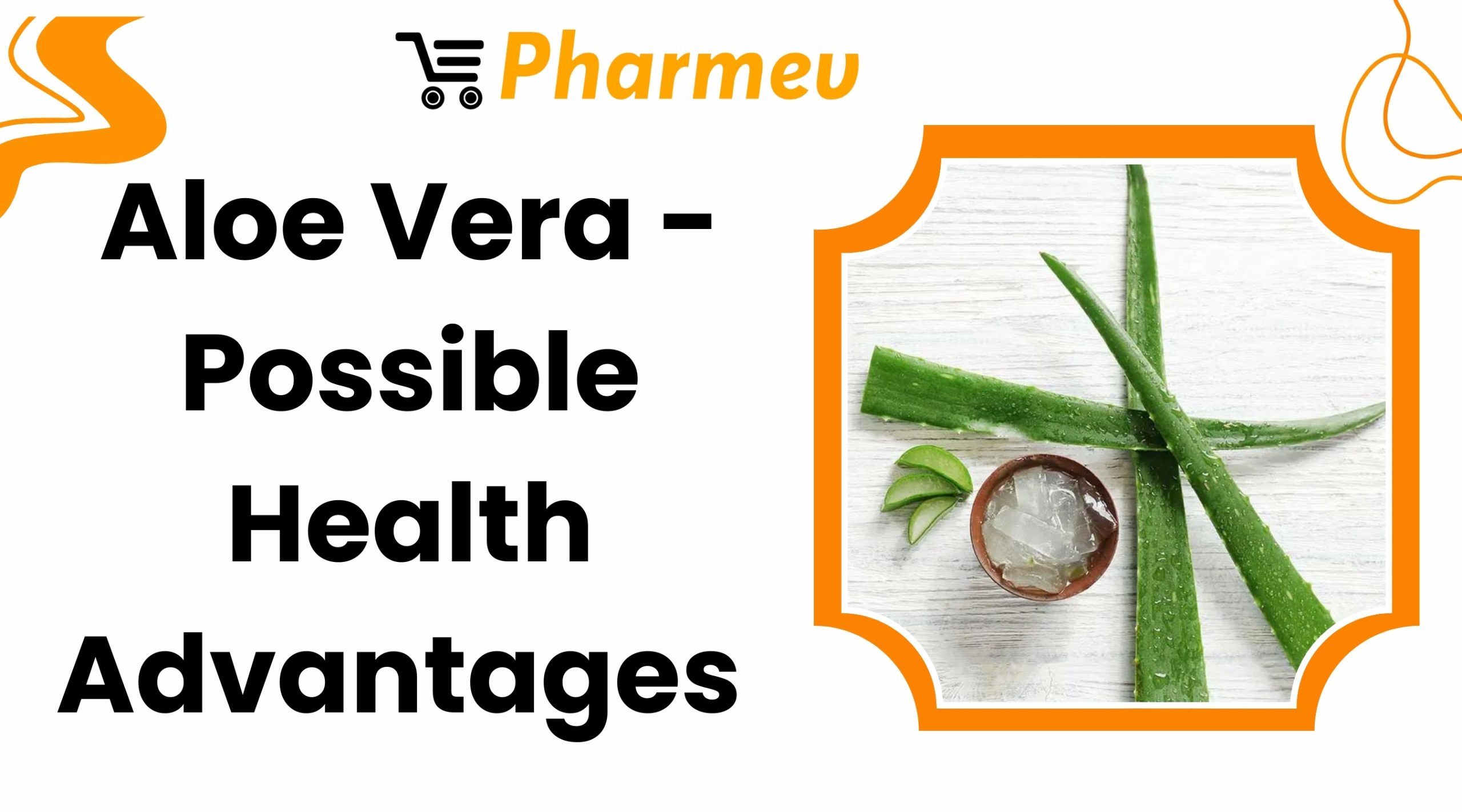
- Aloe Vera
Aloe vera possesses antibacterial, anti-inflammatory, and calming qualities. It can hasten healing, lessen redness, and soothe inflamed skin. For inflammatory, cystic acne, aloe vera might be very beneficial.
How to Use: Directly apply fresh aloe vera gel to the regions that are afflicted. For a calming effect, leave it on overnight or for 15 to 20 minutes before rinsing it off.
- Witch Hazel
A plant extract called witch hazel is well-known for its anti-inflammatory and astringent qualities. It can aid in lowering skin irritation and oil.
After cleaning, dab a cotton ball with witch hazel and gently rub it over your face. It can help lessen acne outbreaks by acting as a natural toner.
How Else May Hormonal Acne Be Resolved?
It’s important to develop a suitable skincare regimen to treat and prevent hormonal acne.
- Both in the morning and the evening, wash your face.
- Use a pea-sized quantity of any acne product at most. Excessive application might exacerbate irritation and dry up your skin.
- Apply sunscreen daily.
- To lower the chance of blocked pores, simply use noncomedogenic products.
Additional Therapies for Hormonal Acne
A person may want to explore other acne remedies in addition to dietary adjustments.
Use a mild, pH-balanced cleanser to wash the face twice a day.
Frequently washing items that come into contact with the face, avoiding touching the face to pick or squeeze pimples, and switching to gentle, noncomedogenic skin care products that don’t contain alcohol or abrasive materials after perspiring or wearing equipment that sits close to the face, like a mask or helmet
One might choose to attempt topical acne remedies after washing their face. Among the elements to search for are:
- Salicylic acid, which clears clogged pores and lowers inflammation
- Retinoids, which decrease oiliness and clear clogged pores
- Because it eliminates acne-causing germs, benzoyl peroxide
Skin care products containing these substances are available over the counter. A dermatologist may also prescribe medical-strength versions or offer advice.
To protect the skin from UV damage during the day, it is crucial to apply a non-irritating sunscreen, as many acne treatments make the skin more sensitive to sunshine.
It may be possible to ascertain whether dietary adjustments and other tactics are beneficial for acne by keeping a journal and doing things one at a time.
Applying Creams to Prevent Acne
The correct amount of cream must be used to use it properly. Overdosing is always a possibility because there is no precise measurement, and this can result in several adverse consequences.
- Check to see whether the activity of this cream will conflict with any other creams you are currently using.
- Hand washing
- Until you utilize the Adapen Gel, it is best to cease using all of these face products.
Treatments for Hormonal Acne
Isotroin 10 Mg is a good example of a cream that may be used to treat hormonal acne, which is caused by changes in hormones. These are gels or lotions that you must apply directly to the areas of your face where acne is present.
In certain individuals, zinc has been demonstrated to treat acne and lessen inflammation. It’s crucial to see a healthcare professional before beginning to use supplements, though.
It may take weeks or even months of persistent usage of therapies for hormonal acne before any discernible improvement is seen.
It might be beneficial to see a dermatologist if you suffer from hormonal acne. They can recommend suitable therapies and make sure that no underlying medical conditions, such as PCOS, are the cause of the acne.
Last Words:
Given that breakouts are most common in teenagers, it might be annoying to experience them on your skin as an adult. If your acne is chronic, speak with your healthcare professional; they may give you cutting-edge acne treatment choices.
For comprehensive acne treatment, check out Pharmev online division, which offers a variety of pills and creams.