Introduction:
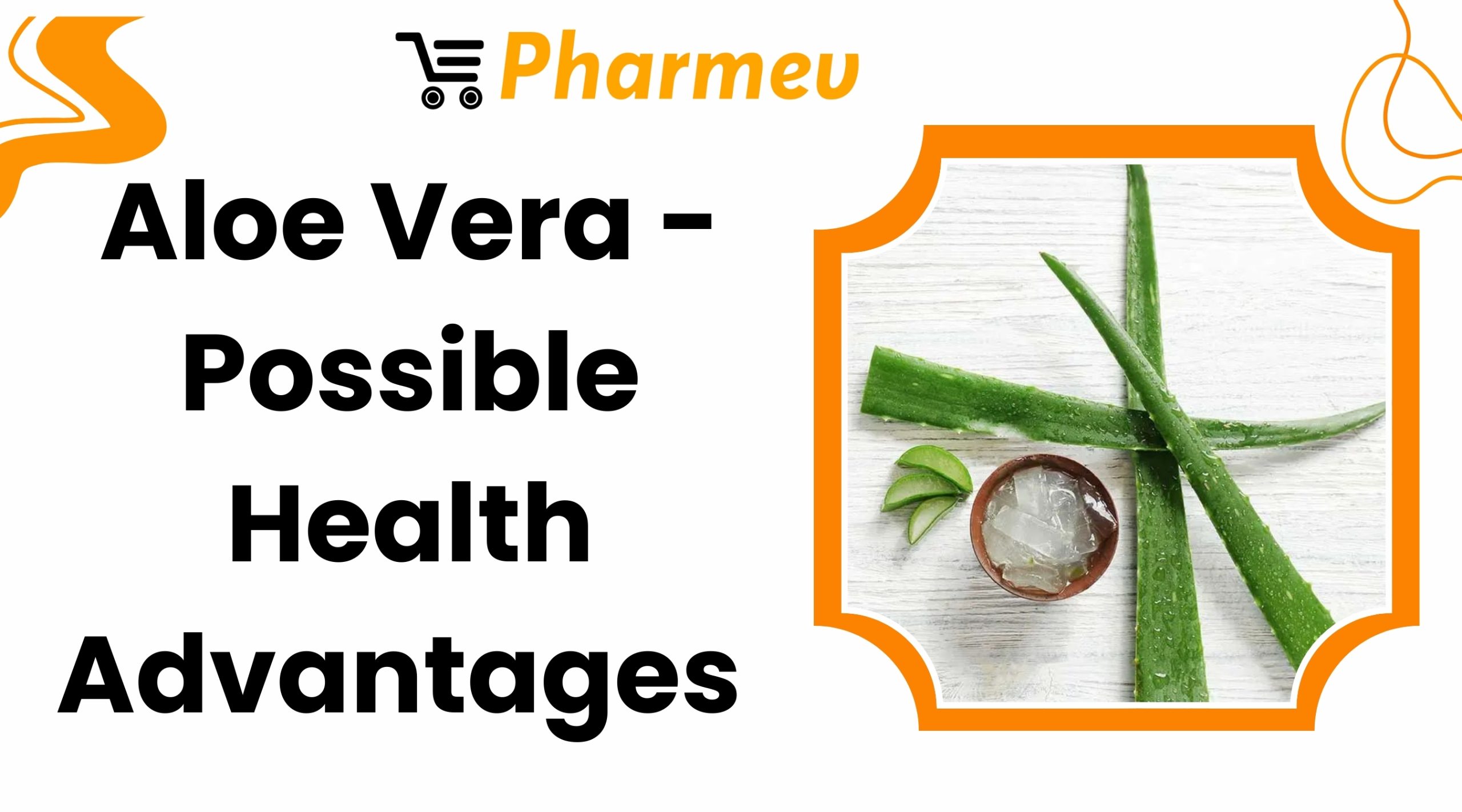
Aloe vera, it appears that mankind has had a close relationship with this plant and has known about its advantages for years. Some historians trace the usage of aloe vera back to early Mesopotamian society, demonstrating how long we’ve known about its advantages.
Some of us may know that this is beneficial to the skin. It is commonly used as an extract in cosmetic lotions and gels to improve skin tone and soften skin.
But do you have a thorough understanding of aloe vera skin benefits? Are you aware of Aloe Vera’s additional health benefits?
Maybe not, but don’t worry; in this post, we’ll go over the top 5 health advantages of aloe vera. We’ll learn not only about skin advantages but also how Sildenafil might help men with sex concerns like erectile dysfunction.
Many individuals utilize Aloe vera and its derivatives for both nutritional and topical purposes. While Aloe vera may have beneficial effects in certain circumstances, not all of its stated advantages are scientifically supported.
This is reported to have a variety of medicinal benefits. In this post, we’ll look at some of these claims and the science supporting them.
These leaves contain a smooth, transparent gel that has been hailed for its moisturizing properties and other therapeutic effects. But what about now?
These are simple to cultivate and maintain, and their components are rich in nutrients that may provide several health advantages. Continue reading to discover Aloe Vera’s eight possible health advantages.
This has been used in traditional medicine for thousands of years, and studies have found it to offer a variety of health advantages. The plant, for example, is used to heal sunburn, prevent dental plaque, and regulate blood sugar levels.
Furthermore, this contains about 75 potentially active chemicals, which include vitamins, minerals, enzymes, amino acids, fatty acids, and polysaccharides. However, you may worry if the plant is safe to eat.
What Is Aloe Vera?
This is a medicinal plant that thrives in hot areas like California, New Mexico, and the Caribbean. It includes over 75 active substances, including enzymes, amino acids, vitamins, and minerals, some of which have the potential to heal ailments.
Some individuals use aloe vera gel at home to cure burns, and other skin diseases, and mend wounds. Aloe juice is also marketed as a natural treatment for diabetes, heartburn, and inflammatory bowel disease (IBS). There is some evidence that it works for these and other diseases, but additional research and higher-quality trials are required to validate these effects.
This is a deep green cactus-like plant that thrives in hot conditions. Many of its stated health benefits are linked to the gel derived from the center of its leaves.
- Cosmetics
- Herbal Remedies
- Food Supplements
The health advantages of these are derived from their active components. These leaves contain a minimum of 160 vital components. There are at least 300 to 400 essential components, according to some scientists.
For example, the antioxidant vitamins A, C, E, and B found in aloe vera decrease oxidative stress by scavenging free radicals. Secondary plant components, hormones, enzymes, polysaccharides, and monosaccharides are also present in aloe vera.
These Are Some Advantages Of Aloe Vera For The Face That You Could Find Helpful:
- An Organic Hydrator:
Ignore the chemical-laden, greasy moisturizers. Its spiky, prickly leaves produce a gel that softens and unclogs pores, working wonders for skin. It is a fantastic after-shave gel for guys that can moisturize the skin and repair minor cuts and nicks caused by the razor.
- Anti-Wrinkle:
Are you bothered by crow’s feet? Additionally, are medicinal lotions and gels uncomfortable for you? The anti-wrinkle qualities of aloe vera are among its greatest benefits for the skin. Vitamins C, E, and beta-carotene included in the plant aid in the formation of more collagen, which preserves skin suppleness and considerably reduces wrinkles.
- Acne and infection:
Are you sick of putting up with frequent skin infections and acne? You could get some relief from aloe vera gel. Inflammation and redness are lessened by the leaf gel’s polysaccharides and gibberellins’ antibacterial qualities. Its astringent qualities aid in clearing the extra sebum, bacteria, and debris that lead to acne and pimples.
- Tell Dandruff No:
Do you avoid hair loss because you’re afraid of filth and dandruff? Aloe gel can come to your rescue. It can cure dry skin, control excessive oil production, and cure recurrent fungal infections.
- Welcome to Thick Hair:
This clear gel promotes blood flow to the scalp, which stimulates hair growth.
- Relieve Your Sunburn:
Have you ever had those painful beach sunburns? Cool down and use aloe vera gel. It provides tremendous comfort, and the redness and irritation are instantly reduced because of its anti-inflammatory qualities.
You may modify these skin-friendly solutions to suit your hair and skin type. Take pleasure in exploring the natural deliciousness of this gel. However, always conduct a patch test to determine the compatibility of any product, whether it be natural or pharmaceutical.
Generally speaking, Aloe Vera Is Safe to Eat
The skin, gel, and latex are the three components that make these up. Their most well-known product, which offers the majority of its health advantages, is their gel.
Most people use the gel on their skin, but when properly prepared, it may also be eaten.
This adds a clean, refreshing taste to a wide range of recipes, such as salsas and smoothies.
To make the gel, trim the aloe vera leaf’s spiky top and sides. The skin should next be cut off on the flat side, the clear gel removed, and the skin chopped into small cubes.
Wash the gel cubes well to get rid of any remaining residue, dirt, or debris. The gel may taste harsh and unpleasant if there is latex residue present.
The thin coating of yellow liquid that lies between the leaf’s skin and the gel is called latex. Aloin and other substances with potent laxative effects are found in it.
There are dangerous and maybe lethal negative effects from consuming too much latex.
On the other hand, the skin of this is usually safe to consume. Its crisp texture and mild flavor make it ideal for incorporating some variation into your summer salads. As an alternative, the skin can be eaten by dipping it in hummus or salsa.
Cut off the plant’s prickly top and side edges, then cut off the skin on the flat side to prepare it. Make sure to give the skin a good wash to get rid of any latex, grime, and debris.
If you have trouble chewing it, you can soak it in water for 10 to 20 minutes before eating.
Because other aloe species may be harmful and hence inappropriate for human consumption, it is crucial to select leaves from the aloe vera plant.
It Has Effects on Inflammation
According to studies, aloe vera reduces inflammation. The anti-inflammatory properties of aloe vera were shown in laboratory tests. These effects may be attributed to the disruption of pro-inflammatory chemicals and suppression of inflammation by bioactive aloe vera components such as emodin, aloesin, and aloin.
Rheumatoid arthritis pain and inflammation are among the inflammatory illnesses that this may aid with due to these qualities.
In laboratory and animal experiments, this decreased inflammation brought on by colitis, a disorder characterized by inflammation of the colon. It could alter the way that particular genes and cells (cytokines) respond to inflammation. These findings need to be verified by human research.
Antioxidants and Nutrients
This is a great way to get essential nutrients. Antioxidants, fatty acids, enzymes, mono- and polysaccharides, and diverse phytonutrients are among the more than 75 distinct nutrients.
- Vitamin A
- Vitamin C
- Vitamin E
- Vitamin B12
- Zinc
- Copper
- Selenium
- Calcium
Vitamins A, C, and E, which are antioxidants found in aloe vera, prevent or lessen unstable molecules known as free radicals. Polyphenols and carotenoids are two more antioxidants found in aloe vera. Aloe Vera’s antioxidants may help shield human cells from harm. One human investigation found that taking aloe vera gel extract supplements raised the body’s overall antioxidant activity.
This also includes proteins, amino acids, and salicylic acid, among other bioactive substances. With its exfoliating and antifungal qualities, salicylic acid is promoted as a natural skin care solution.
Notably, anthraquinones, which have laxative properties and may be poisonous, are also present in aloe.
Aloe Vera’s Potential Health Advantages
It has been discovered that this contains a variety of vitamins and minerals. It is therefore occasionally eaten as food.
Additionally, it has been demonstrated to possess antibacterial qualities when tested in a petri dish. According to some preliminary data, it could have skin-benefitting properties. For instance, a small study indicated that topical treatments might assist with acne and give a young glow.
To find out if this is indeed beneficial in treating skin issues, larger clinical studies are required as the study on the topical effects of this is still in its early stages.
- Has anti-oxidants
Test-tube research suggests that the aloe plant has anti-inflammatory qualities. Because of this, a lot of people use it to cure and alleviate burns and wounds.
Polyphenols are a class of plant chemicals high in antioxidants that are thought to have anti-inflammatory properties.
Also referred to as oxidative stress, antioxidants aid in defending your body from harm brought on by free radicals. Chronic oxidative stress has been linked in studies to an increased risk of heart disease and even some types of cancer.
Aloe vera juice does not, however, appear to directly affect the risk of these disorders, according to no studies yet.
- May Help Enhance The Look Of Skin And Cure Skin Disorders.
Burns and other skin conditions like atopic dermatitis may benefit from this therapy since it is believed to have anti-inflammatory qualities.
Instead of being ingested as a beverage, many health advantages for the skin are observed when it is applied topically. There is, however, little data on oral aloe vera supplementation.
A group of males under 46 years old showed better skin elasticity after taking 40 mcg of aloe sterol daily for 12 weeks, according to one research.
In a similar vein, another research of women over 40 discovered that eating aloe vera increased the creation of collagen and decreased the visibility of wrinkles.
Notably, aloe was taken as a supplement rather than juice in each of these experiments. Furthermore, even though this research shows promise, it is not definitive, and additional human studies are required.
- Could Help With Pre-Diabetes Care
Aloe vera gel and juice have been shown in earlier studies to reduce fasting blood sugar levels in individuals with type 2 diabetes.
In contrast, two different evaluations discovered that while aloe vera juice improved fasting blood sugar in patients with pre-diabetes, it did not improve fasting blood sugar in those with type 2 diabetes
This also improved blood fatty acid and blood sugar levels in pre-diabetic individuals, according to another study.
This sounds good, but there isn’t much study on it. The association between aloe vera juice and blood sugar regulation has to be verified by larger, randomized, and controlled studies.
Furthermore, supplements containing aloe vera extract are not regulated, standardized, or regarded as a safe substitute for conventional diabetic treatments.
- Could Assist With Stomach Problems
There are anthraquinone glycosides in this. These plant substances have laxative properties that may help ease constipation. Aloe vera juice’s safety in treating constipation is uncertain, and research on the subject is out of date.
Since the safety and effectiveness of aloe vera laxatives have not been shown via testing, the Food and Drug Administration has discontinued approving them for sale over-the-counter.
According to some early studies, aloe vera syrup may be able to treat and lessen the symptoms of gastric reflux illness. This has shown encouraging benefits in other preliminary studies for the treatment of irritable bowel syndrome.
This may, in the end, help with digestion, but not enough study has been done to determine whether using it for these reasons is safe or effective.
- May Promote Better Oral and Dental Health
This may help cure some oral and dental disorders and may have antibacterial qualities, according to certain animal research.
Additionally, 74 participants with oral sub mucous fibrosis, a chronic disorder that results in oral discomfort and inflammation, were found to benefit equally from consuming 1 ounce (30 mL) of aloe vera juice twice a day for three months as opposed to more conventional therapies like hydrocortisone injections.
Another study discovered that using an aloe vera mouthwash helped people with head and neck malignancies have less discomfort and less severe oral mucositis, a typical side effect of chemotherapy and radiation therapies.
Additionally, an aloe vera mouthwash solution used three times a day for 14 days significantly lessened the incidence and accompanying discomfort of chemotherapy-induced stomatitis, an infection of the mouth, in 64 cancer patients.
Additionally, aloe vera mouthwash may help control pain and swelling after oral surgery and reduce dental plaque.
According to this research, this may provide an alternate method of treating specific oral and dental disorders, albeit additional long-term evidence is required.
- It Speeds Up the Healing Of Wounds
Instead of eating aloe vera, people most frequently use it topically on their skin as a treatment. It has been used for a very long time to cure burns, including sunburns, as well as sores.
According to studies, it works well as a topical therapy for burns of the first and second degrees.
For instance, compared to traditional medicine, this might shorten the healing period for burns by around nine days, according to a study of experimental trials. Infections, itching, and redness were also avoided.
Although the research is encouraging, there is conflicting information about aloe vera’s ability to treat various kinds of wounds.
- It Lowers Dental Plaque
By reducing the accumulation of plaque, or bacterial biofilms, on the teeth, these problems can be avoided.
Researchers contrasted aloe vera mouthwash with chlorhexidine, a common mouthwash component.
Compared to chlorhexidine, the aloe vera mouthwash reduced salivary Streptococcus mutants, gingivitis, and plaque after four weeks of usage.
Determined that this is a natural and efficient substitute for mouthwashes made with chemicals.
To whom should aloe vera be avoided?
Applying topical aloe vera to deep or open wounds is not advised. Aloe is more likely to cause allergies in people who are sensitive to tulips, garlic, or onions. Aloe gel should be stopped if you get a rash.
If you take medication to decrease your blood sugar and you have diabetes, avoid using oral aloe vera. This may reduce blood sugar levels too much. Do not use this product if you have diarrhea, stomach discomfort, or nausea as it may exacerbate these symptoms.
Aloe latex may raise the chance of miscarriage or early labor, hence it should not be used when pregnant. Additionally, it is not advised to be used while nursing because it may cause your infant to have diarrhea and other negative side effects. Children less than 12 shouldn’t use aloe latex or whole-leaf extract.
Interactions with Aloe Vera Drugs
Consult your physician before beginning to use aloe vera if you are already taking any medications.
- Thinner blood, like warfarin (Coumadin)
- Medication for diabetes
- Digoxin is a heart failure medication.
- Laxatives that stimulate
- Diuretics are water tablets.
When used orally, this may also lessen the body’s ability to absorb concurrent medications.
A Look at Aloe Vera
You may find this as a gel or a drink. Because it comes from the aloe plant’s leaves, the juice might be compared to the sap. On the other hand, the gel is a viscous material that originates from the plant’s interior.
In general, this can be drunk, although the gel is usually administered topically.
Aloe vera juice and supplements are recommended by some studies for several medical issues. The majority of the data that is now available, however, comes from brief, small-scale investigations; bigger, human clinical trials are still required.
Before implementing any new dietary or health-related practices, such as including aloe vera juice or supplements in your regimen, it’s a good idea to see a healthcare provider.
This is particularly true if you are pregnant, nursing, or breastfeeding, as there is currently no information on the safety of aloe vera products in these situations.
Similarly, to prevent potential drug interactions, make sure to discuss aloe vera pills or drinks with your doctor before using them.
How to Drink and Savor Aloe Vera Juice
This is drool-worthy, which is a plus, but here are some helpful tips to make it even more enjoyable.
- Invest in juice from a recognized and trustworthy brand.
- Look for a juice brand that has been approved for oral use by a reputable body and is devoid of additives and preservatives.
- Start with a little juice and see how your body responds.
- To prevent any negative effects, consult your healthcare professional and adhere to the recommended dosage.
- To increase nutrients, you may either drink it straight or add it to your breakfast smoothies.
- Once the juice is opened, it must be kept in the refrigerator to maintain its strength.
Aloe Vera’s Health Advantages
Because of its many health advantages, aloe vera is well-liked.
- Greater Healing of Wounds
Most often, aloe vera is used topically, meaning it is rubbed onto the skin. It has been used on burns and wounds for many years. It’s a good medication for shortening burn recovery times.
In what ways can aloe vera promote wound healing? The carbohydrate galactomannan and the growth hormone gibberellin are found in aloe vera. These function by their interaction with fibroblast growth factor receptors. This leads to an increase in collagen production by inducing the proliferation of fibroblasts. Thus, the procedure speeds up the healing of wounds.
- Protection of the Skin
Numerous studies have demonstrated the skin-protective benefits of aloe vera. It shields the skin against radiation’s damaging effects and damage from free radicals. Aloe vera gel protects the skin against hydroxyl radicals and creates metallothionein, a strong antioxidant protein, however, the precise method is unknown.
- Calm Insect Bites
Insect bites have been soothed by aloe vera because of its anti-inflammatory properties. This also functions as an antipruritic when applied topically, reducing or eliminating itching.
- Anti-Inflammatory
Aloe vera works well as an anti-inflammatory. It inhibits the cyclooxygenase pathway and reduces the amount of arachidonic acid that is converted to prostaglandin E2. Furthermore, because oxidative damage from free radicals is typically the source of inflammation, aloe vera functions as an antioxidant that combats free radicals.
- Promotes Digestion
The capacity of aloe vera to facilitate digestion is among its most well-known health advantages. Drinking aloe vera juice aids digestion and alleviates GERD, ulcers, and hyperacidity.
- A laxative
It is believed that this is a natural laxative. Latex’s anthraquinones can stimulate mucus production and help the intestines retain more water. Additionally, it increases intestinal peristalsis, which keeps constipation at bay.
Aloe Vera Skin Care Gels Should Not Be Eaten
Skin care creams and gels containing aloe vera are not intended for consumption.
Rather, they are designed to provide relief from sunburns, lower inflammation, hydrate, decrease itching, and address several other skin issues.
Preservatives are added to many commercial aloe vera gels to prolong their shelf life, and additional substances are added to enhance their color, texture, and scent. A large number of these components are not intended for ingestion.
Furthermore, processing techniques have the potential to remove the active components in aloe vera gel, which are otherwise in charge of the health advantages that come from consuming the gel.
It Could Encourage the Loss of Fat
Supplements and herbs are well-liked methods of controlling weight. The anti-obesity and lipid-lowering properties of aloe vera gel may aid in weight loss. Most of the studies on aloe vera’s ability to reduce body fat are outdated or mostly focus on animals.
In an animal experiment, mice given a high-fat diet showed less weight growth and fat formation when they drank a fermented aloe vera gel beverage. The high polyphenol and flavonoid content of aloe vera might be the cause. These antioxidants have been connected in previous studies to a reduction in the formation of fat.
Supplementing rats with aloe vera gel decreased their body fat gain, according to a related study. Two variables that may lead to obesity, oxidative stress, and dyslipidemia, were shown to be rectified by the gel.
Possible Risks of Consuming Aloe Vera
There are some hazards from consuming aloe vera latex, a yellow material that is present inside the leaf.
By encouraging contractions, consuming the latex may help relieve constipation in modest quantities.
Long-term use of aloe vera latex has been associated with adverse consequences, such as renal issues, muscular weakness, irregular pulse, and stomach pains. Long-term usage of amounts more than 1 gram daily may potentially be lethal.
The latex may trigger uterine contractions, which might result in a miscarriage, therefore pregnant people should avoid eating it.
Additionally, this should not be used by anybody who has a digestive illness, such as Crohn’s disease or inflammatory bowel disease (IBD), since it may exacerbate their condition.
This is not recommended for anyone on diabetic, heart, or renal medicines, aside from latex, as it may exacerbate certain prescription adverse effects.
The advantages of the gel inside the leaf are greater than those of aloe vera skin care gels, therefore avoid eating them. It’s also possible that skincare gels include non-food substances. Animal studies can teach us, but more human study is needed.
Turning It On For 30 an Hour
The length of time to wear a hair mask is not recommended by science.
Many in the beauty business advise applying a mask to the hair for around half an hour.
It makes no explicit reference to aloe vera. Nonetheless, it implies that if people use goods for an extended period, they may develop scalp sensitivity, particularly itching.
As a result, when using store-bought items, one should heed the recommendations on the label.
Any substance that causes itching or burning while being used or after should be removed right away.
Remove Various Gastric Problems
The gel of aloe vera immediately aids in improving absorption and digestion. As per various research, it has been shown that consuming aloe vera juice even 2-3 times throughout the full week would prevent.
- Gas
- Bloating
- Indigestion
You might not be aware, but these problems can also impair your ability to get an erection. To become hard, you might thus need to take Kamagra Tablet.
Additionally, it can help prevent stomach ulcers, according to a 2007 research. About 35 percent of respondents reported that they were able to lessen the problem’s intensity in a few months.
Last Words:
The natural supplement can be used topically or taken orally. Although not much study has been done on it, it could help with illnesses including diabetes, high cholesterol, and acne.
Before taking this, get guidance from your doctor to see whether it’s safe and acceptable for you. Stop by our Pharmev.