Introduction:
Of all the health problems that men face, this is the one that most immediately catches our attention. Specifically, this case appears to be sharply increasing in younger age groups. Men in the Gen Z age range are not the only ones experiencing this problem, though. Additionally, it continues to pose a serious risk to your health as you age, that is, after your 40s or 50s.
This article will answer any questions you may have about the causes of obesity. We’ll outline the causes and walk you through the changes it brings about in your life in this post.
Among the world’s most serious health issues is this one. It’s linked to many similar illnesses that make up the metabolic syndrome. A bad blood lipid profile, increased blood pressure, and excessive blood sugar are a few examples.
Individuals with metabolic syndrome are much more likely to develop type 2 diabetes and heart disease than people with normal weights.
Numerous studies have been conducted in recent decades to determine the causes of obesity and potential preventative or therapeutic measures.
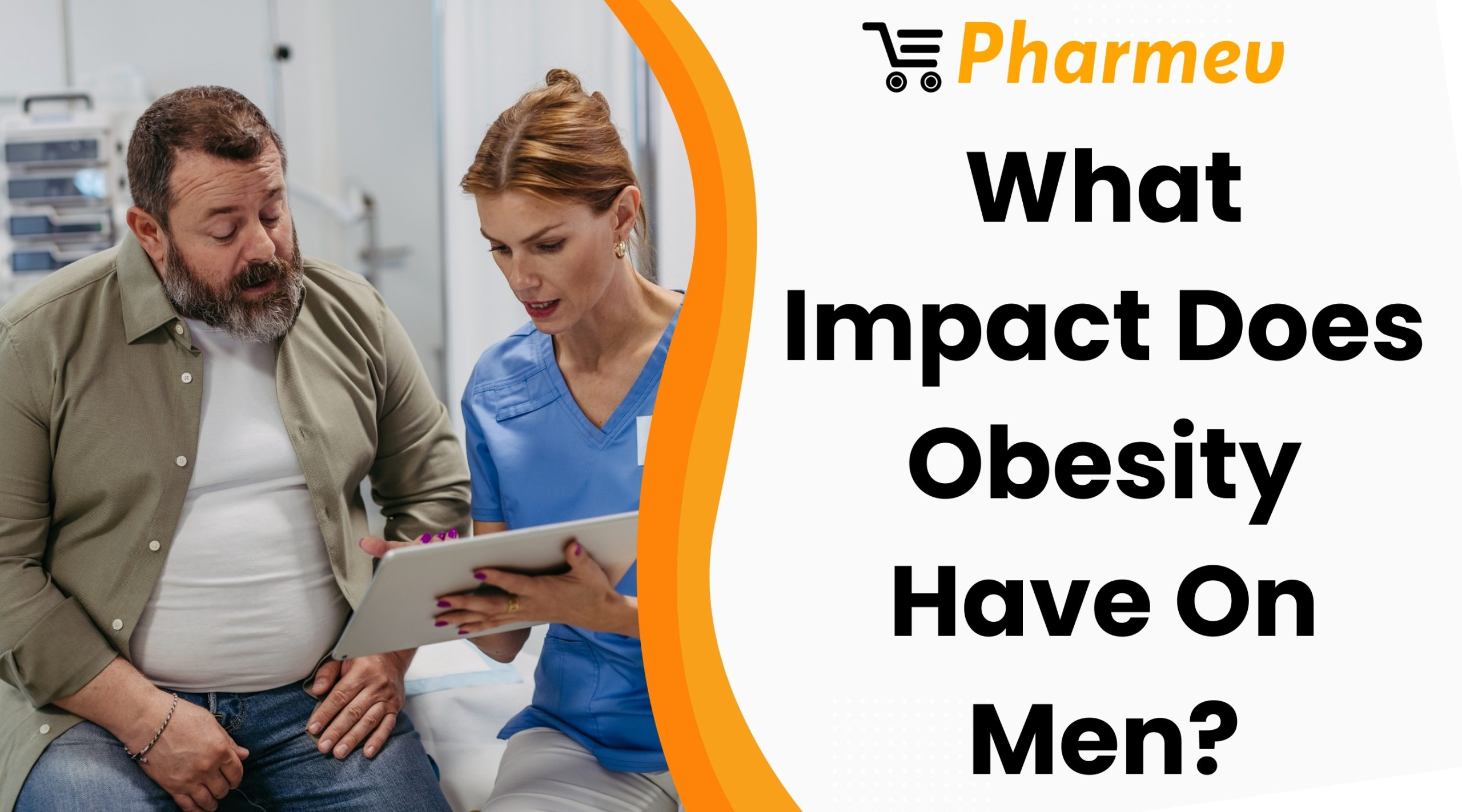
People of all ages and genders are now impacted by this worldwide health emergency. Although it affects both sexes, the effects of obesity on males are frequently disregarded. In this blog, we will examine the particular effects of male obesity, highlighting its social, psychological, and physical ramifications.
This is sometimes described as having an excessive amount of body fat. A BMI of 30 or above is typically used to define adult obesity. Serious health problems are more likely as a result of this. Adding exercise, altering your diet, and receiving mental health assistance are all examples of treatments.
What Is Obesity?
That’s when you have too much body fat. It is a complicated, long-term illness that can impair your general well-being and standard of living. Serious medical issues may result from this. It may have an impact on your mental health and sense of self.
You’re not alone if you’re obese. Two out of every five persons in the US suffer from this prevalent illness. Finding the right therapies and health management techniques might be aided by a healthcare professional.
This is an ongoing medical issue that worsens with time. Excess body fat that might be harmful to one’s health is what this is.
BMI is a metric that measures body size by taking into consideration an individual’s height and weight. It is usually used by doctors as an obesity screening tool.
- Type 2 Diabetes
- Heart Disease
- Cancer
Furthermore, this does not tell us how fat is distributed among people or differentiate between extra fat, muscle, or bone mass.
Despite these drawbacks, this is still a commonly used metric for determining body size. This is because it’s less costly than alternative approaches.
Notably, discrimination based on weight can also have detrimental implications on one’s health.
Genetics, bad diet, inactivity, emotional problems, and certain medical diseases are some of the variables that might contribute to it. Generally speaking, a balanced diet, frequent exercise, and occasionally medicinal or surgical procedures are required to prevent and manage obesity.
Motives Behind Male Obesity
Scientists have been able to determine the causes after extensive investigation. Your food and lack of exercise are the main causes of this, of course. Scientists, however, believe there is more to it. For causes other than diet, this might happen to any guy, regardless of age.
For instance, having various health conditions may also contribute to your weight. A rise in belly fat can also be observed in those with stress or anxiety problems, as well as those with elevated blood sugar.
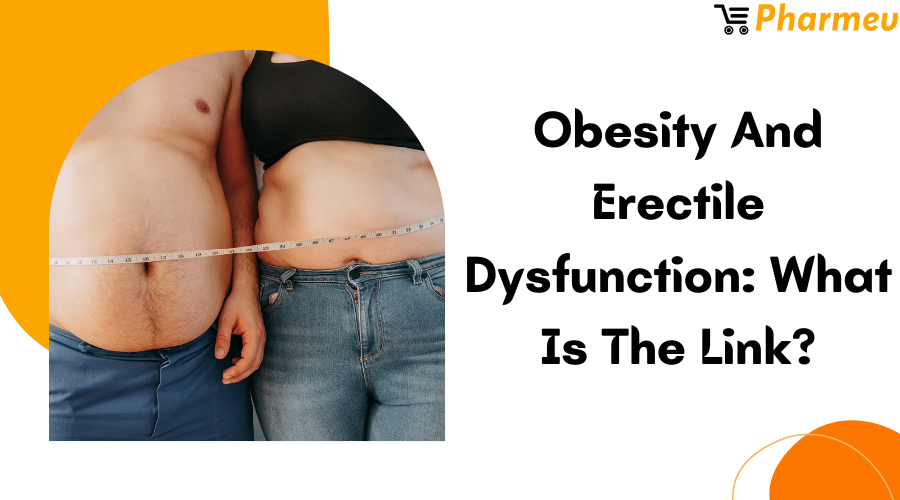
Additionally, this may have various effects on your life. For instance, it may put your sexual health at risk. About 40% of obese men, according to research, have trouble getting a hard, powerful erection, which is why Cenforce 150 mg is necessary.
Weight gain can be further exacerbated by a diet heavy in processed foods, sugary drinks, fast food, and high-fat snacks. This can result from eating more than the body requires, often in reaction to stress, boredom, or emotions.
Men are more likely to acquire weight and become obese if they exercise little or not at all. In today’s world, a lot of guys spend a lot of time using electronics, watching TV, or sitting at workstations.
Where and how a person accumulates fat might be influenced by genetics. Males who have close relatives or parents who are fat may be more likely to become obese themselves.
Because they burn less calories at rest and are more likely to gain weight, some people may have a slower metabolism by nature.
A lack of inexpensive, nutrient-dense food options, particularly in low-income communities, can make it more challenging for males to maintain a healthy weight.
Long workdays and stressful work situations might cause people to eat poorly, skipping meals or consuming unhealthy convenience foods.
An all-encompassing strategy is usually needed to address male obesity, which involves managing any underlying medical concerns, enhancing physical activity, optimizing food, and addressing emotional or psychological issues.
Problems Connected to Your Lifestyle and Nutrition
Although there may be other factors outside food, around 75% of men, or three out of four, experience this problem mostly as a result of their unhealthy eating and lifestyle choices. Now, let’s investigate this further.
Long stretches of sitting, little exercise, and irregular exercise are examples of sedentary behavior. Weight gain and obesity are caused by diets heavy in processed foods, sweets, and fats and deficient in fiber and minerals.
Increased blood pressure and cholesterol levels can result from a diet heavy in saturated fats, cholesterol, and salt, which can cause heart disease and stroke. Diets that are low in fiber, heavy in sugary drinks, and processed carbs can alter insulin sensitivity and cause diabetes.
Cardiovascular disease, renal illness, nerve damage, and visual issues are examples of long-term effects.
Strong coffee or alcohol consumption, heavy meals right before bed, and diets high in sugar can all disrupt a good night’s sleep.
Poor sleep hygiene can interfere with sleep patterns. Examples include irregular sleep schedules, excessive screen time before bed, and excessive caffeine intake.
A variety of health issues can result from a bad diet combined with an unhealthy lifestyle. Many of these problems can be avoided or lessened by maintaining a healthy diet, getting regular exercise, practicing good sleep hygiene, and managing stress. These practices will support long-term health and well-being.
Consequences for Physical Health
Men are far more susceptible to several illnesses as a result. Being overweight puts stress on the heart and raises the risk of heart disease, high blood pressure, and stroke. This also increases the risk of osteoarthritis, sleep apnea, type 2 diabetes, and several types of cancer in men. Life expectancy and general quality of life might be negatively impacted by several physical health issues.
This is frequently brought on by sedentary lifestyles and inadequate nutrition. Excess body fat puts an additional burden on the body and raises the risk of several chronic illnesses.
Heart disease can occur as a result of inadequate diet and insufficient exercise.
In the brain, blocked or burst blood arteries can cause paralysis, permanent impairments, or even death.
Cognitive decline and issues with speech and physical abilities. Muscle mass and strength are lost as a result of physical inactivity, which affects physical function and mobility.
Bad diet and lifestyle decisions can have far-reaching effects on practically every bodily organ. A balanced diet, frequent exercise, stress management, and abstaining from bad habits can all help people lower their chances of developing certain physical health issues and enhance their general quality of life.

Obesity and Willpower
A common belief seems to be that a lack of willpower is the cause of weight gain and obesity.
Not all of that is accurate. Even while lifestyle choices and eating habits play a major role in weight gain, some persons are more vulnerable to the negative effects of eating habits than others.
The problem is that hormones and heredity are two of the many biological elements that contribute to overeating. Some folks just have a natural tendency to put on weight.
Of course, altering one’s lifestyle and conduct can help people overcome their hereditary disadvantages. It takes determination, commitment, and willpower to change one’s lifestyle.
Claims that conduct is solely determined by willpower, however, are far too straightforward.
The other elements that ultimately dictate what individuals do and when they do it are not taken into consideration.
- Genetics
The genetic component of this is considerable. Offspring of obese parents are far more likely to be obese themselves than offspring of lean parents.
However, that does not imply that this is entirely predestined. The genes that are expressed and those that are not can be significantly influenced by the foods you consume.
A typical Western diet causes obesity to spread quickly in non-industrialized nations. Although their surroundings and the signals they transmitted to their genes changed, their DNA remained unchanged.
In short, your genetic makeup does influence your likelihood of gaining weight. This is vividly illustrated by studies on identical twins.
- Engineered Junk Foods
Refined components combined with additives are frequently all that are found in highly processed meals.
These goods are made with low prices, lengthy shelf lives, and mouthwatering flavors that make them difficult to refuse.
Food producers aim to boost sales by making their products as delicious as possible. However, they encourage overeating as well.
Today’s processed foods mostly have little resemblance to real meals. These are really well-designed items that are meant to captivate consumers.
- Food Addiction
Numerous junk meals that are heavy in fat and sugar activate your brain’s reward regions.
These foods are frequently likened to substances that are frequently misused, such as cocaine, alcohol, nicotine, and cannabis.
Addiction to junk food can occur in vulnerable people. Similar to how those who are battling alcoholism lose control over their drinking, these individuals also lose control over their eating habits.
Overcoming addiction is a complicated problem that may be quite challenging. You lose your ability to make your own decisions when you develop an addiction, and your brain’s biochemistry takes over.
- Aggressive Marketing
Producers of junk food are fierce marketers.
Their strategies can occasionally become unscrupulous, as they attempt to pass off extremely harmful items as nutritious ones.
Additionally, some businesses make false promises. Even worse, they target youngsters directly with their marketing.
Nowadays, kids are getting fat, getting diabetes, and being addicted to junk food before they are mature enough to make wise choices about these things.
- Insulin
A crucial hormone that controls energy storage, among other things, is insulin.
One of its roles is to instruct fat cells to retain the fat they already have and to store it.
For many overweight and obese people, the Western diet encourages insulin resistance. This raises insulin levels throughout the body, which results in energy being stored in fat cells rather than being used.
Numerous studies indicate that elevated insulin levels have a causal role in the development of obesity, even though the relationship between insulin and obesity remains debatable.
Reducing simple or refined carbs and increasing fiber intake is one of the best strategies to reduce insulin.
This typically results in a spontaneous decrease in caloric intake and uncomplicated weight loss; portion control and calorie counting are not required.
- Certain Medications
A lot of prescription medications have the potential to make you gain weight.
For instance, over time, antidepressants have been associated with a little increase in body weight.
Medication for diabetes and antipsychotics are two other examples.
Your willpower isn’t diminished by these substances. They change how your body and brain work, lowering your metabolism or raising your hunger.
- Leptin Resistance
In obesity, leptin is another crucial hormone.
Fat cells create it, and as fat mass increases, so do its blood levels. As a result, obese individuals have particularly elevated leptin levels.
In healthy individuals, decreased appetite is associated with elevated leptin levels. Your brain should be able to tell how much fat you have when it’s functioning properly.
Because leptin, for whatever reason, is unable to get across the blood-brain barrier, it isn’t functioning as it should in many obese people.
Leptin resistance is the name of this disorder, which is thought to be a major contributing component to the pathophysiology of obesity.
- Food Availability
The availability of food has also significantly risen over the previous several centuries, which has a significant impact on people’s waistlines.
There is food everywhere these days, especially junk food. Tempting foods are displayed in stores where they are most likely to catch your eye.
Additionally, junk food is frequently less expensive than full, healthful meals, particularly in America.
Some people may not even have the opportunity to buy actual goods, such as fresh fruit and vegetables, particularly in impoverished communities.
These convenience stores only carry processed, packaged junk food, drinks, and candies.
- Sugar
Perhaps the most detrimental component of the contemporary diet is added sugar.
This is because excessive sugar consumption alters your body’s hormones and biochemistry. Consequently, this leads to weight gain.
Fructose and glucose make up half of added sugar. Although people may obtain glucose from several meals, such as carbohydrates, added sugar provides the bulk of fructose.
High insulin levels and insulin resistance can result from consuming too much sugar. Additionally, it does not encourage satiety in the same manner as glucose.
All of these factors make sugar a contributing factor to increased energy storage and, eventually, obesity.
- Misinformation
People are being deceived about diet and health everywhere in the world.
There are a lot of causes behind this, however, the issue mostly stems from people’s information sources.
Numerous websites, for instance, disseminate false or misleading information on diet and health.
Scientific study results are often taken out of context and oversimplified or misinterpreted by certain news outlets.
Additional data can just be out-of-date or predicated on unproven hypotheses.
Food firms are also involved. Some advertise ineffective items, including vitamins for losing weight.
False information-based weight loss plans might impede your success. Carefully selecting your sources is crucial.
Consuming a Lot of Fatty Food Items
The foods you like the most are those that are heavy in fat. Somehow, you simply cannot give up your passion for these foods and your choice for an austere diet.
- Dairy products with high fat content, such as mayonnaise, cheese, butter, ghee, and high-fat milk
- Unhealthy baked foods containing a lot of cream, such as cakes, pastries, shakes, and ice cream
The majority of these dietary products are heavy in harmful fats that are eventually stored as fat since the body cannot break them down.
Causes of Obesity
Although body weight is influenced by genetic, behavioral, metabolic, and hormonal factors, this is the result of consuming more calories than you expend via regular activities and physical activity. These extra calories are stored as fat by your body.
The majority of Americans consume too many calories from their diets, frequently from fast food and sugar-filled drinks. Individuals who are obese may feel hungry sooner, consume more food before they are satisfied, or eat more because they are stressed or anxious.
People in Western nations tend to expend fewer calories at work since many of their professions are now far less physically demanding. Conveniences like remote controls, escalators, internet shopping, drive-through restaurants, and banking have made even everyday tasks require fewer calories.
Obesity has a family history component. Certain genes affect the body’s ability to digest food, control appetite and satiety, and retain fat.
Weight gain is frequently seen by those who have sleep apnea, a disorder in which breathing stops and resumes while you’re asleep, and vice versa. Fatigue brought on by the illness may also make exercising more difficult.
Numerous variables contribute to obesity, making it a complex disorder. This is influenced by several causes, including hormone imbalances, poor diet, physical inactivity, psychological effects, and environmental factors.
Reproductive and Hormonal Impacts
Men may experience hormonal abnormalities and decreased fertility as a result of this disruption of their hormone levels. Lower testosterone levels may result from increased testosterone conversion to estrogen brought on by excessive fat buildup.
It may be harder for obese men to conceive because of this hormonal imbalance, which can also lead to erectile dysfunction, lower libido, and worse sperm quality. Additionally, men who are obese have a higher chance of experiencing hormonal problems such as hypogonadism.
Insulin resistance rises as a result, potentially making PCOS worse. Normal ovulation is disrupted by insulin resistance because elevated insulin levels further encourage the ovaries to release extra testosterone.
Since estrogen is produced by fat cells, having more body fat raises estrogen levels. Periods that are irregular or nonexistent might result from too much estrogen interfering with the usual hormonal signals that govern the menstrual cycle.
Increased estrogen synthesis from excess adipose tissue might throw off the menopause’s timetable. More severe symptoms, such as mood swings, vaginal dryness, and hot flashes, may result from the body’s diminished capacity to regulate estrogen as menopause draws near.
Disturbances in the control of insulin, estrogen, and leptin can affect people of either sex or increase the risk of obesity and related health issues. These hormonal and reproductive problems can be avoided or lessened by addressing obesity with dietary changes, physical activity, and pharmacological therapies.
You Love Fried Foods the Most
You have to admit that some of your favorite foods are fried ones. These fried foods would be great to have as everyday snacks in between meals.
- Packed potato chips
- Cookies
- French fries
- Fritters
- Doughnuts
- Spring rolls
- Fried fish and chips
- Fried chicken
- Tempura
- Mozzarella sticks
What Issues Does Obesity Cause?
This has a variety of effects on your body. For instance, it could alter your metabolism, raising your chance of developing severe diseases. Additionally, this might affect your general health in both direct and indirect ways.
- Metabolic Changes
The process by which your body turns food into energy to power your body is called metabolism. When your body has more calories than it needs, it turns them into lipids, which are then stored as body fat. The fat cells themselves increase when the tissue available to store lipids is depleted. Hormones and other substances secreted by enlarged fat cells contribute to inflammation.
Insulin resistance, which prevents your body from using insulin to reduce blood sugar and fat, can be brought on by inflammation. High blood pressure results from having high blood sugar and fat levels. These illnesses work together to cause metabolic syndrome. One prevalent condition contributing to obesity is metabolic syndrome.
- Cardiovascular conditions
Heart attacks, strokes, congestive heart failure, coronary artery disease, and other cardiovascular conditions are all made more likely by obesity.
- Fatty liver disease
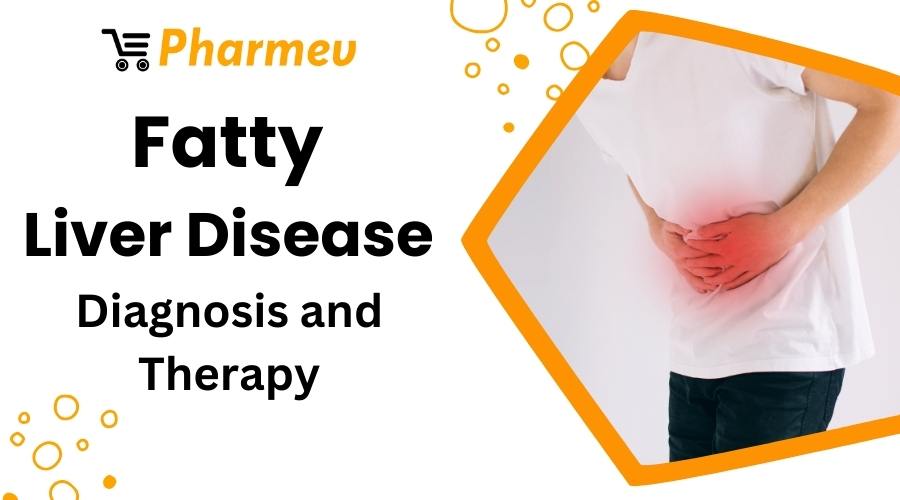
When your blood has too many lipids, they travel to your liver, which filters your blood. Your liver may develop chronic inflammation and long-term damage if it starts retaining too much fat.
- Gallstones
Elevated blood cholesterol can lead to the buildup of cholesterol in the gallbladder, increasing the risk of gallbladder disorders and cholesterol gallstones.
- Disease of the kidney
Liver disease, diabetes, and high blood pressure are some of the most prevalent causes of chronic kidney disease.
- Direct Effects
Your respiratory system’s organs may get overcrowded by excess body fat, and your musculoskeletal system may experience tension and pressure.
- Arthritis
- Asthma
- Back pain
- Obesity hypoventilation syndrome
- Sleep apnea
- Depression and mood disorders.
- Female infertility and pregnancy complications.
You Consume Red Meat Frequently
Your excessive consumption of red meat is one of the main problems with your diet. Pork, beef, lamb, and other red meats are among the meat products that have a high trans-fat content.
A new study found that adult men who consume more than 400 grams of red meat each week run the risk of becoming obese. Obesity is undoubtedly impacting more healthy guys as the number of red meat enthusiasts rises worldwide.
The usage of Vidalista 10 mg tablets is necessary for about 50% of these individuals who also suffer from sexually transmitted illnesses like ED.
You live life too slowly and easily, which is another factor contributing to your significantly higher weight than your age. You aren’t physically active at all, and you don’t seem to be changing your bad habits. You don’t take a morning stroll and then spend a lot of time sleeping. Even your everyday activities don’t involve a lot of labor.
How Does Your Life Get Affected by Obesity?
Your life may be at risk from this in ways you can’t even imagine. Scientists discovered that such problems usually worsen within a few years if the proper treatment and dietary or lifestyle adjustments are not implemented.
- Indigestion
- Gas
- Bloating
- Heartburn
- Acidity
Data gathered from large research indicates that around 60% of men get a serious heart condition. It is frequently seen that these guys have elevated levels of fat and cholesterol in their heart tissues, and some of them pass away as a result of a heart attack or stroke.
About 30% of obese people experience problems with their blood pressure. Blood pressure rises when lipids are present because they constrict the blood vessels. This is yet another serious health problem that raises the chance of developing severe kidney diseases or heart failure in the future.
The majority of obese men may experience one or more sex-related problems during their lifetime. According to research, most men struggle to achieve a firm erection. They wouldn’t even have a sex drive. In addition to these obese men, they may get prostate infections or premature ejaculation.
Is It Possible To Prevent Obesity?
This is simpler to prevent than to cure after it has been established. This is because your body switches gears to regulate your body mass by balancing your hunger signals with the energy expenditure from your everyday activities. According to the BMI chart or the scale, that new set point can make you weigh more. By looking at your behaviors and making sensible adjustments now, you can avoid being obese in the future.
Instead, think about how you may find an activity that suits your fitness level and consume an additional 150 calories each day.
Keep healthful cuisine in your house and reserve sweets and snacks for rare occasions when you go out.
Get some fresh air, spend less time on screens, and walk outside. To keep your hormone levels in balance, try to get enough sleep and manage your stress. Pay less attention to how your efforts impact your weight and more attention to healthy habits and beneficial improvements.
If I’m Obese, What Can I Expect?
Obesity raises your chance of developing several severe illnesses. Being obese, however, does not imply that you already have such illnesses or that there is nothing you can do to avoid them. Keep in mind that losing merely 5% to 10% of your body weight will greatly reduce your health risks. Following a treatment plan for an extended period can help you keep off the weight.
Last Words:
In this article, we have thus enumerated some of the main causes of obesity. Not only is your nutrition to fault, but other conditions may also be at play. Major health problems that impact every aspect of your life may arise from this.
Pharmev offers a variety of medications to assist in eliminating it, including ones that improve digestion and break down fat. Now, see a doctor and follow their advice to purchase and consume these medications.