Introduction:
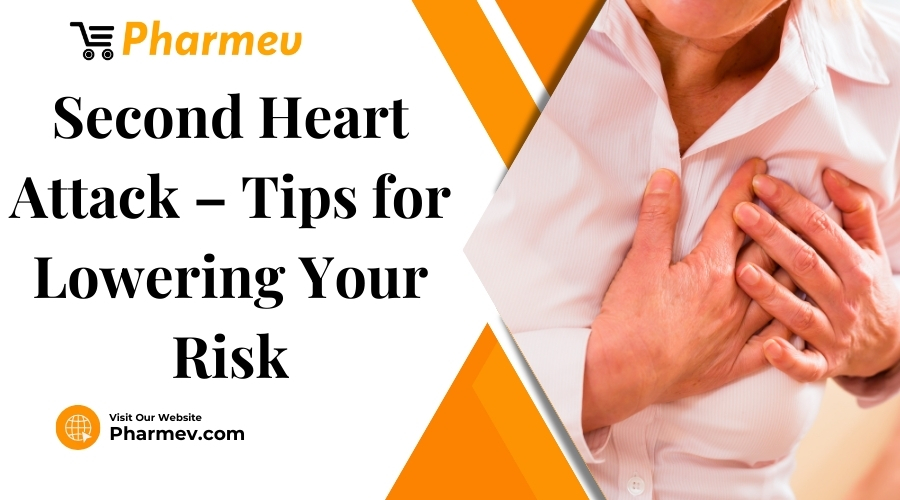
It’s never too early to begin taking action to maintain heart health, as it’s a vital component of overall well-being. Those who have already had a heart attack should be very concerned about the possibility of having another one.
For teenagers who are eager to adopt a heart-healthy lifestyle, this blog post will offer helpful insights into doable strategies to reduce the chance of a second heart attack.
The reason for this is that the underlying causes of the initial these are still present, making a recurrence of the event highly probable. You can reduce your risk by making changes if you are aware of the risk factors for a second heart attack.
Individual differences exist in the risk of a second heart attack or other cardiovascular disease. Numerous things influence it; some of them can be changed, while others cannot.
Being Aware Of the Causes
Knowing the causes of this is crucial. High cholesterol causes plaque to accumulate on the arterial walls over time. Plaque gets brittle and hard, which makes it unstable. Unstable plaque has the potential to separate from the arterial wall and enter the bloodstream. If the plaque fragment forms a blood clot that stops the heart’s blood supply, a heart attack will happen.
After your initial attack, you can heal plaque in your arteries with treatment and lifestyle modifications. This keeps another heart attack from happening. However, you will still be susceptible to cardiac problems if nothing changes.
What Is A Heart Attack?
A heart attack, which occurs when certain heart muscles don’t receive adequate blood flow, is a very serious condition. Although there are numerous reasons for this reduction in blood flow, a blockage in one or more of your heart’s arteries is typically the culprit.
In the absence of blood flow, the damaged heart muscle will start to deteriorate. Failure to restore blood flow promptly after a heart attack may result in death or irreversible cardiac damage.
This is an emergency that can be fatal. If you believe that you or the person you’re with is experiencing a heart attack. Treating a heart attack requires prompt action. Delays of merely a few minutes might cause death or irreversible heart damage.
What Takes Place During A Heart Attack, Exactly?
Blood flow to a portion of the heart stops or is significantly reduced during a heart attack, which damages or kills that area of the heart muscle. It can interfere with your heart’s ability to pump blood when a portion of it is dying from a lack of blood flow. Blood flow to the rest of your body may be reduced or stopped as a result, which might be fatal if left untreated.
What is the sensation of a heart attack?
During a heart attack, many people have chest pain. It may be uncomfortable, heavy, or squeezing, or it may be excruciating pain. It may start in your chest and progress to other locations including your left arm, shoulder, neck, jaw, back, or down toward your waist.
When someone is experiencing a heart attack, they frequently mistakenly believe they have heartburn or indigestion.
Some people just have nausea, sweating, or shortness of breath.
Knowing the Fundamentals:
Understanding the fundamentals is the cornerstone of heart health. First, we shall discuss the significance of leading a healthy lifestyle. People will discover how their everyday decisions, including getting enough sleep, controlling their stress, and abstaining from tobacco, affect their heart health.
By simplifying intricate medical ideas, the blog article will make it simple for everyone to understand how their habits relate to their overall risk of having a heart attack. The key ingredient in Fildena 100, sildenafil citrate, increases blood flow and promotes arousal naturally.
Making Wise Food Selections
Your diet is like the gasoline for a powerful engine when it comes to maintaining the best possible condition for your heart attack. To keep your heart content, let’s discuss why it is so crucial and how you may make wise decisions.
What, therefore, is the key to a heart attack that is healthy? It’s known as a balanced diet. Imagine it as an assortment of meals, each contributing its special powers. We are discussing whole grains, lean proteins, fruits, and veggies. These heroes keep your heart attack robust and prepared for any journey.
This brings us to the things that are not so good for you: processed meals, saturated fats, and excessive salt. They’re cunning troublemakers who want to break your heart. Thus, eat well and protect your heart. zudena pills can help men feel more confident and good about themselves.
The goal of making these wise food choices is not to follow an extremely rigid diet. It’s more like putting together a menu with mouthwatering choices that make your heart skip a beat.
Remaining Active: The secret to keeping your heart healthy is to stay active, which gives it a superhero boost. We’re talking about enjoyable methods to move that fit into your everyday schedule, not about becoming a fitness expert.
Maintaining an active lifestyle is the key to keeping all the parts of your body functioning properly. Exercise and enjoyable hobbies, such as dance, riding, or sports, can have a profound impact on your heart.
What’s the point of all this shifting? Well, it’s like a high five to your heart. Frequent exercise helps your heart stay strong and healthy, making it a cardiovascular superhero workout. Enhancing confidence and satisfaction in a high-quality bedroom experience may be possible with vidalista 80
Heart attack risk factors for a second attack
Bad diet: Your diet has a big effect on blood sugar, cholesterol, weight, and other things.
Physical inactivity: Contrary to popular belief, engaging in physical activity following a cardiovascular incident is beneficial. A heart attack can be prevented by exercising, according to the American Heart Association.
Smoking: Smoking accelerates the hardening of the arteries and increases the accumulation of plaque in them.
High levels of stress can lead to unhealthy lifestyle choices, such as smoking, overeating, and other behaviors that compromise heart health and may contribute to blood vessel inflammation.
Ignoring your prescription: Drugs for heart-related issues assist manage your risk. Ignoring them implies that you are not lowering that danger.
Failing to know your heart health numbers: You should be aware of your weight, blood pressure, blood sugar, and cholesterol. You may improve your risk factor management by being aware of your numbers.
Elevations in lipoprotein: For heart disease, this is a hereditary risk factor. It raises the risk of heart attacks, especially in younger people.
Comprehending Stress and Coping Strategies:
Stress can occasionally creep in and disrupt the harmony of our hearts amid life’s chaos.
Fear not, though, since your secret weapon for a happy heart may be your comprehension of stress and your ability to manage it.
Stress is not your best friend; it can dampen your spirits like a tiny cloud.
The next topic we’ll cover is coping, which is your heart’s defense against stress. Think of it as a toolset with plenty of cool devices.
Are you familiar with mindfulness? Giving your brain a little vacation is what it is. And there’s more!
When stress tries to deceive you, deep breathing is like a superhero maneuver to help you relax.
Frequent Inspections and Interactions:
Monitoring heart health requires routine medical examinations. By stressing the value of talking about any worries or changes in health, the article will promote candid communication between teenagers and their medical professionals. Tadalafil is the active ingredient in the drugs Vidalista 20mg, and Cenforce 100.
Consider your heart’s supporters in the fight for good health if you were prescribed medicine following a heart attack. This article focuses on the importance of following your medication schedule without becoming bogged down in technical terms. Men’s self-esteem and confidence can both be enhanced by Sildigra 250.
To keep your heart in good condition, taking your medications as prescribed by your healthcare professional is similar to following the treasure map. The blog will explain it simply: these drugs are your safeguard against cardiac problems in the future. They serve as barriers to keep another heart attack from unexpectedly striking and aid in the management of your disease.
Why, therefore, is adherence so crucial? It’s similar to following the plot of your favorite adventure novel. Changing the strategy could be dangerous. By taking your medications as directed and on schedule, you are giving your heart the support it needs to be robust and resilient.
Second Thoughts: Heart Health Enhancement Strategies
Following a cardiovascular incident, your cardiologist or primary care physician will create a plan to assist you in managing heart disease. One of the most beneficial things you can do for your heart is to use this plan. As directed, take your prescription drugs, and attend your follow-up appointments. During these appointments, your doctor can monitor heart disease risk factors like high blood pressure and dangerous cholesterol levels.
To prevent a second heart attack, your doctor will also suggest lifestyle modifications. Eating a lot of fruits, vegetables, and whole grains is part of this diet, as are lean protein sources and dairy products that are either fat-free or low in fat. Eat fewer foods that are heavy in saturated fat, sugar, and sodium.
Another important factor in lowering your chance of having another is regular exercise. On most days of the week, gradually increase your participation to 30 minutes of moderate-intensity aerobic activity, like brisk walking. Reaching and maintaining a healthy weight can be facilitated by heart-healthy food and exercise. Another strategy to assist protect your heart is to lose weight.
- Recognize heart attack symptoms
- Give up smoking
- Control your tension
- Remain sociable
Tips for Preventing a Second Heart Attack
Further caution is required for those with a family history of heart attacks. However, you can reduce your risk by doing easy things like taking your medicine or going for a 20-minute daily walk.
- Quit smoking
If you quit smoking, your chance of having a second heart attack is halved. The most avoidable risk factor for heart disease is smoking. Speak with your doctor if you have attempted to quit before and failed. Medication and nicotine replacement solutions are just two examples of the constantly evolving new strategies.
- Consume your prescription drugs
Your doctor will likely prescribe medicine to make sure the heart muscle functions properly after a heart attack. Take them as directed, fill them out, and set up reminders or auto-refills.
- Attend all of your doctor’s appointments.
Your primary care physician or cardiologist will need to see you frequently after a heart attack to track your recovery. Regardless of how well you’re feeling, schedule appointments with your doctor and call them if you have symptoms in-between visits. Your care plan may need to be modified by your doctor even if everything is going well.
- Chronic illnesses should not be disregarded.
Diabetes, high blood pressure, or high cholesterol increase your risk of having another heart attack.
- If you have diabetes, your doctor can help you reduce blood sugar levels to prevent blood vessel narrowing or scarring, which can result in a second heart attack.
- Your doctor may recommend drugs or diets, including the DASH or Mediterranean diets, to help control high blood pressure.
- Your doctor can help you control high cholesterol by recommending lifestyle modifications and, if necessary, cholesterol-lowering medications like statins.
For any of these problems, it is crucial to see your physician frequently. Even with lifestyle improvements, some people are genetically predisposed to high blood pressure or high cholesterol, making medical assistance the only method to control these conditions.
This encompasses mental health. Heart health can be negatively impacted by anxiety, stress, and depression. If you are finding it difficult to manage several medical conditions.
- Include Exercise in Your Daily Regimen
Exercise under medical supervision three times a week for three months is a standard component of cardiac rehabilitation. Participants can reduce their risk of a recurrent heart attack by as much as 47%. To build your heart muscle, increase your vitality, and assist control your weight, it’s crucial to keep exercising after this.
Either 25 hours of intense exercise per week or 5 hours of moderate exercise per week.
Even small quantities of exercise, like 20 minutes a day of brisk walking, are linked to a considerable reduction in the risk of heart disease, according to scientists.
- Eat well
Reducing sugar, saturated fat, and excessive salt intake is essential for avoiding a second heart attack. Your “bad” cholesterol (LDL), one of the primary factors that contribute to heart attacks, can be reduced by reducing saturated fats alone. In particular, limit your intake of partly hydrogenated oil-containing snack foods, margarine, cookies, fries, and doughnuts.
How Does A Heart Attack Happen?
A blockage in a blood artery supplying your heart is the most common cause of heart attacks. The most common cause of this is plaque, a sticky material that can accumulate inside your arteries.
Atherosclerosis is the term for such accumulation. Coronary artery disease is the term used to describe the accumulation of atherosclerotic plaque in the blood arteries leading to the heart.
There are instances where plaque deposits inside the coronary arteries burst or break open, causing a blood clot to become lodged where the rupture occurred. A heart attack could result from the clot blocking the artery, which would prevent blood flow to the heart muscle.
- While it is feasible, heart attacks without burst plaque only make up around 5% of all heart attacks.
- Coronary artery spasm.
- Rare diseases produce abnormal blood vessel narrowing, much like any other disease.
- Trauma that results in coronary artery ruptures or rips.
- Obstruction that originates in another part of your body, such as an air bubble or blood clot that causes coronary artery blockage.
- Eating disorders. Your heart may eventually sustain damage from these, which could lead to a heart attack.
- Irregular coronary arteries.
- Other disorders can prevent your heart from getting enough blood for an extended amount of time, like low blood pressure, low oxygen levels, or an accelerated heartbeat.
Which Variables Increase The Risk Of Having A Heart Attack?
This is influenced by several important factors.
- Age and sex:
As you age, you are more likely to have a heart attack. Your sex affects when your heart attack risk begins to rise. The chance of having a heart attack at age 45 rises for those who were assigned male at birth. At age 50 or beyond menopause, the risk of heart attack rises for those who were assigned female at birth.
- Family history of heart disease:
Because your genes are similar to those of your parents or siblings, you are even more at risk if they have a history of heart disease or a heart attack, particularly at a younger age. If a first-degree relative with AMAB is diagnosed with heart disease at age 55 or younger, or AFAB at age 65 or younger, your risk is increased.
- Lifestyle:
Your chance of having a heart attack may be raised by lifestyle decisions that are detrimental to your heart. Smoking, eating foods high in fat, not exercising, drinking too much alcohol, and using drugs are examples of this.
- Certain medical disorders:
A few medical conditions can cause stress on the heart and raise the risk of a heart attack. This includes eating problems, diabetes, obesity, hypertension, hypercholesterolemia, or a history of preeclampsia.
Ways to Avoid Another Heart Attack
In the event of a heart attack, your care team will assist you in developing a plan of care that incorporates heart-strengthening techniques. Attending your follow-up meetings and heeding their advice will help you avoid such incidents in the future and keep you on track for recovery.
As a tried-and-true method of improving your heart health, your doctor may also advise you to enroll in a cardiac rehabilitation program. With a supervised fitness regimen, heart-healthy lifestyle instruction, and mental and emotional support, this individualized program can aid in your recuperation.
- Consuming a diet that promotes heart health: The DASH diet, which limits saturated fat and salt and promotes the consumption of fruits, vegetables, and whole grains, is advised by many physicians.
- Getting regular exercise: As directed by your physician, aim for 150 minutes of moderate physical exercise per week.
- Receiving continuing assistance: Surrounding yourself with loved ones who support your new heart-healthy lifestyle is beneficial, in addition to your care team.
- Regulating stress levels: Everybody handles stress differently. Finding what works best for you is the key, whether that means journaling before bed or going for a regular walk in the park.
- Being aware of your number to monitor your heart health, your provider will monitor four key metrics through primary care and preventative care.
- Taking your prescriptions: It’s important to remember to take your drugs as directed by your physician.
Establishing a Support System
To overcome heart health obstacles, everyone must establish a solid support network. The blog post will discuss the critical role that peers, family, and friends can play in offering emotional support and encouragement.
In a nutshell, this blog is your road map to realizing how crucial it is to form relationships while you experience a heart attack. To create a healthier future, please recognize the strength in these relationships, rely on your network of support, and make your heart’s journey a shared one!
Treatment for a Second Heart Attack:
If you have a second heart attack, the course of treatment will be the same. Immediate care could consist of:
Emergency care includes hospitalization, oxygen treatment, and blood pressure and cardiac rhythm stabilization drugs.
To find blocked arteries that might need coronary artery bypass surgery (CABG) or angioplasty (stent implantation), coronary angiography is used.
Medications: To reduce blood pressure, lower cholesterol, avoid clots, and lessen the burden on the heart.
When Should I Visit My Physician?
Following a heart attack, you are more likely to experience another one. Your doctor may likely advise follow-up care, testing, and monitoring to prevent more heart attacks.
Heart scans: Similar to the techniques used to detect a heart attack, these can evaluate the consequences of your heart attack and identify any irreversible heart damage. They can also check for circulation and cardiac issues that raise the risk of further heart attacks.
Stress test: When your heart is working harder, these scans and tests might reveal any issues that could otherwise go undetected.
Programs for cardiac rehabilitation can help you prevent another heart attack by enhancing your general health and way of life.
For What Reason Should I Participate In Cardiac Rehabilitation?
Heart rehabilitation may be recommended by your physician if you have experienced a heart attack or have been diagnosed with heart disease. A group of professionals will assist you in improving your health and preventing issues in the future.
Doctors, nurses, and experts in physical therapy, occupational therapy, nutrition, exercise, and mental health may be on your team. They’ll create a program that works for you. Additionally, they can assist you in changing your day-to-day routine. It can have a significant impact on your healing and general well-being if you persist.
What Should I Do in the Event of a Heart Attack?
You must receive prompt medical attention after a heart attack to clear the clogged artery and minimize damage. As soon as a heart attack begins. How much time do you have when having a heart attack? Treating this is best done within an hour or two of the onset of symptoms. You risk more heart damage and a shorter lifespan if you wait longer.
Chew one aspirin if you have called emergency services and are awaiting their arrival. As a strong blood clot inhibitor, aspirin can reduce your risk of dying from a heart attack by 25%.
Last Words:
To sum up, this blog post will provide everyone with thorough guidance on reducing their risk of having another heart attack. Teens should take proactive measures to ensure a healthy heart and a vibrant life ahead by sticking to a heart-healthy lifestyle, making wise dietary choices, being active, managing stress, taking their medications as prescribed, getting frequent checkups, and building a support network.
Are you unsure of where to go for assistance in dealing with your second heart attack following a cardiovascular incident? Pharmev is helpful.