Introduction:
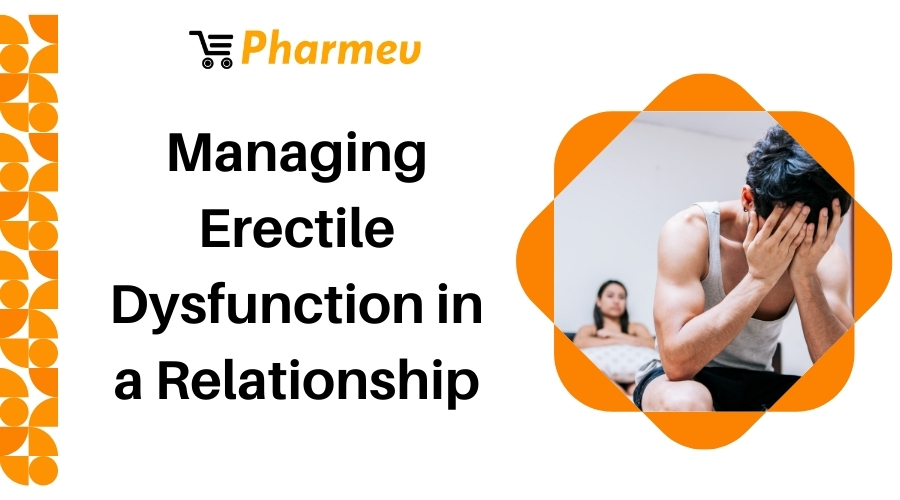
Over time, this can strain a relationship, especially when some studies show that it affects your partner, making them feel confused, anxious, ugly, or even suspicious of you.
Chronic can also cause feelings of guilt, making open and honest conversations about ED difficult, culminating in a negative feedback loop.
This doesn’t have to end your relationship. Chronic Erectile Dysfunction can destroy a relationship. Intimacy and romance are more than just sexual interactions. There are various treatments available for ED. A variety of effective therapies can help restore sexual function and increase marital pleasure. A doctor can help couples understand their options and typically encourages both spouses to attend consultations.
However, to find an alternative that works for them, a person may have to try several therapies or undergo testing. Their spouse must remain open, empathetic, and supportive throughout this time. In one study, 94% of men stated their partner’s help was vital when they had an ED.
What Exactly Is ED, And How Does It Affect Relationships?
This is a condition that makes it difficult for a person to obtain and maintain an erection. Certain types of sexual activity, such as sexual intercourse, require an erection.
It is entirely uncommon to have difficulties obtaining an erection on occasion, but when this symptom occurs regularly, it may indicate an underlying issue.
- Certain drugs that may cause ED as a side effect
- Cardiovascular diseases
- Chronic kidney and liver disease
- Diabetes
- Elevated blood pressure
- Low amounts of testosterone
Depending on the intensity of a person’s symptoms, they may be unable to engage in sexual intercourse as frequently or for as long as they once could. Some may be unable to have sexual intercourse at all.
Sexual intimacy is a crucial aspect of any marriage or long-term relationship, thus this shift may generate worry or a sense of loss for both partners.
- Depressed
- Angry
- Not as masculine
- Socially isolated
- Denying reality
- Lack of self-confidence
This has an impact on a person’s partner’s mental health as well. According to a 2016 analysis, Can cause a person’s partner to feel confused, worried, unwelcome, or suspicious that their spouse is cheating.
These emotions might cause strain in a relationship. This can also be difficult to discuss due to feelings of shame or stigma, which might discourage partners from talking openly about it.
Starting the Conversation
It might be hard for partners who are not used to being vulnerable to bring up such a personal and sensitive matter, and many prefer to respect each other’s space for processing.
Even if the ice has been broken, this may be a difficult issue to address for persons who have experienced trauma, emotional distress, or triggers related to body image, sex, or sexuality.
This topic may be difficult for anybody who has had ED, regardless of gender, but Kahn adds that toxic and inflexible ideas of masculinity can have a significant influence on cisgender males, putting them at a higher risk of shame and embarrassment linked with ED.
Usually, when someone comes to my office with an ED, medical causes have been ruled out [or treated], and what we’re dealing with is shame, embarrassment, anxiety, and sadness connected to the ED.”
Even if a reason unrelated to mental health is discovered, it can be liberating to discuss how erectile dysfunction affects lives and relationships, as well as to begin exploring personal histories, beliefs, and experiences with ED, and sexuality.
It is critical for both the individual and their partners to sort through the potential medical links or underlying reasons for ED, as well as the emotions associated with this new experience. It is critical to recognize that a person with ED may believe that a very personal aspect of their existence, including their body, is on display. They may prefer privacy and request that the matter not be discussed with friends or online groups—and those requests should be honored.
It can be tough to discuss, but it is critical to understand when certain sexual needs and desires are difficult to meet due to an ED. Partners should not be silenced and can seek help if their own sex lives or mental health are affected.
What To Do If You’re Partner Has Erectile Dysfunction?
This is a frequent sexual performance condition in which men struggle to obtain or maintain firm erections suitable for sex. While a night of drinking may produce occasional performance concerns, a regular pattern of failed erections usually indicates a disorder – in fact, it is the definition of one.
Most guys are proud of their sexual performance. We are also frequently our harshest critics.
This is treatable, and while you may not be a doctor, you can solve the problem together and experience a satisfying, rewarding sex life by discussing it with your spouse in the proper manner.
What you can provide him — and what is most important — is support and judgment-free love.
- Know the facts
Before you do anything, you need to be aware of the facts of ED; here’s a basic overview.
This can be caused by a variety of variables, ranging from physical medical issues like cardiovascular disease to psychological concerns such as performance anxiety. Even some drugs can lead to erectile dysfunction.
If you want to learn more about why some men have erectile dysfunction, consult our guide on the causes of erectile dysfunction.
At the end of the day, the basic reason is that something is impeding either his arousal or the blood flow to the penis essential for an erection.
Diagnosing it on your own might be difficult, especially if your partner’s ED is intermittent, such as transitory erectile dysfunction.
Others, on the other hand, can obtain an erection in certain settings but not always when they want to have sex. Some men find it easy to get an erection but difficult to keep it for long enough to enjoy satisfying sex with their partners.
In either case, he’ll require medical attention to resolve the issue, which you cannot supply.
- be open and supportive
Sometimes the best thing you can do for an ED partner is to be the first to admit the problem – as long as you do it in a nonjudgmental environment. The truth is that guys are typically ashamed when they can’t get it up, so addressing that initially can help set the tone for discourse.
Tell him you’re not upset by it, that it’s not a huge problem, and that you can handle it as a pair. You will be able to take the following steps and begin treating your partner’s ED if you create a comfortable environment in which neither you nor your partner are concerned or humiliated.
This is frequently associated with older men, but men of all ages can suffer from it; in fact, young men may be more susceptible to mental health-related ED.
Unfortunately, this is often a dark stain on a man’s masculinity, self-esteem, and perceived worth to sexual partners. So, whether your boyfriend, husband, or sexual partner suffers from erectile dysfunction, discussing it might be quite tough.
- Acknowledge that it’s a common problem
One important fact regarding this is that, while most men would prefer not to discuss it, it is incredibly common. According to the National Institutes of Health, over 30 million men in the United States suffer from some level of erectile dysfunction.
Communication is essential for couples seeking ED remedies. However, because discussing erectile dysfunction is unusual, many men are unaware of how common this is among men of all ages.
Inform your man about the prevalence of erectile dysfunction. Point out that ED affects tens of millions of men in the United States alone — and most likely hundreds of millions globally.
Simply said, help him feel less alone. Letting your partner know that this is becoming more frequent and is nothing to be ashamed of will help the two of you confront the problem and shift your emphasis to taking action.
- Remember the dos and don’ts of loving support
It’s no secret that coping with ED in a relationship is difficult, especially if your spouse, boyfriend, or husband has ED and refuses to seek treatment.
It is eventually their responsibility to get care, which might be annoying if they are taking longer than you are.
All you can do is help them in the best way you know how beginning with how you address the issue.
Do have an open discussion about ED with your partner. This is difficult to ignore. Don’t pretend it doesn’t exist; instead, discuss it openly with your spouse so that you can work together to find a solution.
Your man’s self-esteem and mental health may already be suffering, so don’t add fuel to the fire. This is a medical problem, not a sign of weakness or a lack of sexual desire. Use gentle language and avoid expressing anything that suggests your partner is at fault for their erectile problems. While you and your spouse may be sexually unsatisfied, being mindful of what you say can make a difference.
Please ask your partner how you can assist. When Erectile Dysfunction happens in a relationship, it becomes a problem that the couple can handle together. Let your partner know you’re willing to assist them and inquire if there’s anything you can do to make things better. Foreplay, flirtation, and sex toys can all help you make sexual activity enjoyable and functional without engaging in penetrative sex.
Don’t insist on having your way. Allow your partner to explain why they believe this is happening and what they believe will help. They can be relieved to finally get the opportunity to open up about a situation that has been bugging them.
Inform your partner about treatments. If your partner is unaware of the various Erectile Dysfunction treatment choices, consider informing them that they may be able to enhance their erectile function and sexual health through medication or healthy practices.
How to Deal With ED in A Marriage or Long-Term Relationship?
In many circumstances, this is curable. A variety of successful treatments can help restore sexual function and increase relationship pleasure.
However, a person may need to attempt multiple therapies or go through testing before finding a solution that works for them. During this period, their partner should be open, understanding, and supportive.
- Open Communication
Although it might be tough, practicing open communication in a relationship can help decrease the burden of Erectile Dysfunction.
Because this can generate feelings of guilt or embarrassment, some men may shun intimate relationships with their partners to avoid distress. However, a partner may see this as rejection, making them feel unwanted or undesirable.
Conversations about these feelings might help to clear up misunderstandings and reassure both partners.
This does not diminish a person’s masculinity or attractiveness. The person’s health and well-being take precedence over sex. The person is eager to work through the issue with support.
- Counseling
Emotional distress is a common reason for Erectile Dysfunction. If an urologist believes that a patient’s this is caused by mental health issues, he or she may recommend counseling.
Individual counseling can provide someone with a quiet, nonjudgmental environment in which to discuss their ED struggles. A counselor or psychologist can assist a person in dealing with stress, worry, and low self-esteem. Couple counseling may also be effective.
Couples counseling can help partners learn how to communicate and support each other, as well as overcome any relationship issues that may be interfering with sexual intimacy.
- Other Forms of Intimacy
There are ways to retain physical intimacy while undergoing Erectile Dysfunction treatment. Nonsexual touching, such as kissing, cuddling, and hand-holding, can bring people closer together and make people with eating disorders feel more supported.
UCLA also suggests trying different types of sexual activity. This allows both couples to have pleasure without the necessity for penetration. It may also relieve pressure on the male to “perform,” hence reducing performance anxiety.
- Lifestyle Changes
- Stop smoking if you’re a smoker.
- Reducing or reducing alcohol consumption
- Increasing exercise
- Maintain a reasonable body weight
- Stopping illegal drug use, if appropriate
Those in a relationship with someone who has Erectile Dysfunction might assist their partner by offering moral support. In some cases, it may be advantageous for them to also engage in the modifications.
For example, if a doctor prescribes dietary modifications to someone with Erectile Dysfunction, the person may be more likely to stick to them if their spouse likewise makes some or all of the adjustments. Similarly, if both partners smoke, quitting smoking might be beneficial both financially and health-wise.
How Do Partners Cope?
People who have an ED partner or spouse may struggle with their mental health. They may be concerned that their partner’s failure to sustain an erection indicates that they no longer desire them.
Someone with a low libido does not want to have sex, whereas those with ED may want to but are unable to. If someone with this is no longer interested in sex, it could be due to the impact that this is having on their mental health.
A spouse can deal by recognizing that this is rarely personal and that it is acceptable to speak with a professional about how their partner’s ED makes them feel. It may be beneficial to consult with an urologist, a psychotherapist, or others in a similar position.
Learn More about the Causes of Erectile Dysfunction
We won’t overemphasize the educational aspect of sexual health. Nonetheless, understanding what’s going on downstairs is critical for resolving the plumbing difficulties.
Older men are more prone to suffer from erectile dysfunction (ED) but for various reasons. That is why Erectile Dysfunction in seniors differs from ED in their 30s or 20s. It is also not the same as so-called abrupt erectile dysfunction, which appears one week and persists.
Heart disease, diabetes, atherosclerosis, high blood pressure, and multiple sclerosis (MS) can all have an impact on sexual health’s neurological, vascular, and hormonal functions.
Psychological factors, particular drugs, and daily behaviors may potentially be contributing to or causing ED. Anxiety, sadness, antidepressants, sexual performance concerns, obesity, smoking, drinking, low self-esteem, feelings of guilt, and a lack of sleep, for example, can all interfere with your erection.
Doing your studies on the subject will allow you to make more educated decisions about how to proceed with treatment. It will also teach you how to respond to questions from a partner who is experiencing uncertainty. So pass the test for both of you.
Erectile Dysfunction Has a Ripple Effect on Marriages
Here are some of the broader effects that this can have on marriage.
You may be suffering thoughts of shame or guilt over not being able to get hard with your spouse.
- Low self-esteem, a bad mood, or feeling sad
- Your partner could feel rejected or unwanted.
- An incompatible sexual urge
- A loss of intimacy
- Avoiding sex, to avoid having to face any frustration or negative emotions that may occur from fighting to become hard
- A sex-free marriage
This is here to provide a safe, private, and supportive environment that can assist you and your partner in addressing any Erectile Dysfunction concerns before they escalate into larger issues in your marriage. Begin your trial today.
Erectile dysfunction and a sexually inactive marriage
A sexless marriage might be categorized as low-sex or no-sex. According to one survey, one in every ten married couples has not had sex in the last year.
There is no ‘ magic number’ for how frequently you should have sex, as long as you and your partner are both content with your sex life.
However, the consequences of ED may hinder you from having as much sex as you’re used to or would like to have.
Dealing with erectile dysfunction in a marriage can not only help you resume sex, but it can also make it more delightful than before.
Medical Treatment for Erectile Dysfunction
Many medicinal treatments are available for erectile dysfunction. However, the appropriate course of action will be determined by the cause of the ED. It is a good idea for both couples to understand the treatment alternatives and their implications.
- Noninvasive Therapies
- Sildenafil (Viagra) is an oral medicine.
- Injectable medicines, such as Alprostadil (Caverject), or the combo drug TriMix.
- Suppositories that one inserts into the urethra
- Testosterone treatment for low testosterone levels.
- Suction or pump devices that suck blood into the penis, allowing you to keep an erection momentarily
If a drug is causing ED as a side effect, altering the medicine may be an option.
- Surgery
A surgeon places implants in the penis to allow it to remain firm during sex. These devices include semirigid implants as well as inflatable implants.
Pumping fluid into the penis using inflatable implants allows for the formation of an erection. A pump, inserted into the scrotum by a surgeon, can be used to inflate or deflate the penis implants. Semirigid implants, on the other hand, are consistently firm.
How to Discuss ED with Your Partner
Starting the talk about ED may seem unpleasant, but it is the first step toward finding a solution. Consider when and where you want to talk about this with your spouse. If the bedroom is the only place you can gain some privacy, talk about it there, but do not do so during or after sexual intercourse. Remind your partner that you are in this together and that these are treatable.
When you receive therapy, we encourage that you go to doctors’ visits together so that you are both well-informed on the treatment options available. Treatment options may include:
- Oral medicines like sildenafil (Fildena 50), vardenafil (Vilitra 20), and tadalafil (Vidalista 40) are common first-line treatments that work in approximately 60% of men.
- If drugs fail or create negative effects, a penile vacuum pump may be a viable choice. A vacuum pump is placed above the penis and draws blood into it when pumped. To keep the penis erect, you insert a specific ring over its base.
- When you want an erection, you inject drugs directly into the side of your penis using a very little needle. About 70% of men are pleased with this treatment option.
A surgeon can insert penile implants. They are a long-term therapy for Erectile Dysfunction, lasting between 12 and 15 years on average. Men who receive penile implants are very delighted with the treatment, as are their partners, with more than 95% of patients.
Dealing with an ED in a relationship
Let’s be honest: when ED makes the bedroom a problem, your partner comes first.
Talk to your partner before you stock up on erectile dysfunction drugs and start training for a marathon.
- Sometimes resolving a sexual function issue without communicating about it causes more harm than reaching out.
- Leave no doubt. Talk about it.
- When discussing ED, be clear, honest, and a good listener.
- Look into treatment alternatives and discuss your health openly, even if it means expressing health worries, admitting to performance anxiety, or disclosing a health problem that is interfering with your intimacy.
- Remind them that your erectile problem is not their fault; it is a health issue.
- Seek medical treatment if you are experiencing physical or mental health difficulties.
- If you’re looking into your partner’s erectile dysfunction, check out our various men’s sexual health guidelines. We’ve discussed premature ejaculation, sexual performance anxiety, and a plethora of other related subjects.
This is virtually always a curable condition. You may be able to treat Erectile Dysfunction and enhance sexual performance with medication, healthy lifestyle modifications, or a combination of the two.
If you’re in a relationship with someone who has an eating disorder, both of you may suffer. That’s why it’s a good idea to tackle the problem collectively. When it comes to discussing ED with your partner, there are two major approaches: emotional and physical.
The emotional advice can help you manage this situation together with more intimacy and closeness. The physical tips can make sex play more enjoyable, open, and lighter. However, when these two approaches are combined, people tend to have the best outcomes.
Helping Your Partner with Erectile Dysfunction
Sexual connection is crucial for a healthy and happy relationship. This is one of the few things that can get in the way and lead to marital problems.
The good news is that with active, continuous treatment, most men can put their erection troubles behind them and enjoy great sex and a higher quality of life.
This can be a delicate subject. There are a few things you should avoid saying when discussing it with your partner, such as expressing dissatisfaction or feeling unfulfilled.
Most men will feel more at ease treating their Erectile Dysfunction and enhancing their sexual performance when they have a supportive spouse at their side.
Don’t be hesitant to support your partner if they have an eating disorder. Use the advice and strategies outlined above to talk to them about the issue, show them you care, and provide them with the support and knowledge they require to treat it.
Are you interested in assisting your spouse in seeking ED treatment? We give a selection of FDA-approved ED drugs online, following a confidential consultation with a professional healthcare provider who will assess whether a prescription is necessary.
Last Words:
Having open, honest discussions and exploring new methods to connect can help a couple maintain or reclaim intimacy and closeness. People who are struggling with this may find it helpful to speak with a couple’s counselor, who can offer guidance on coping strategies.
You may also give your partner a fast overview of the causes and symptoms of erectile dysfunction by reading our comprehensive guide to erectile dysfunction. Alternatively, you can both read through this Pharmev article.