Introduction:
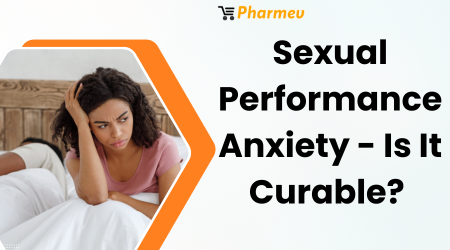
Although it’s acceptable to occasionally feel nervous about our ability to perform well in bed, this might negatively impact our quality of life if it occurs frequently.
It’s meant to be fun, but having to worry about your performance all the time makes it difficult to enjoy yourself. Discover the possible causes of this and receive some calming advice if you wish to restore the shine in your romantic life.
Many people aspire to have an unrestrained sexual life. When it comes to anything beneath the covers, we readily open a packet of condoms, put one on, and start to work.
But there are those people who are anxious about having sex. Indeed, everyone has experienced anxiety related to having sex at some point in their lives, particularly when it’s their first time. However, this may be so bad in certain cases that it prevents sex.
It is important to keep in mind that you should consult a medical practitioner right away if you have any concerns regarding your sexual health.
As we’ll see in this article, experiencing excessive anxiety related to sex might increase your risk of developing sexual problems, including erectile dysfunction, which may force men to use Tadalafil or Sildenafil tablets to become hard.
What Is Sexual Anxiety?
It can hinder a person’s capacity to enjoy sex and frequently results in misery.
Those who have this may experience anxiety, dread, embarrassment, or overwhelm when contemplating or having sex.
Fear of failure or shame during intimate times might result from the pressure to perform well sexually.
Sexual confidence can be diminished and Sexual anxiety exacerbated by negative ideas about one’s physical attributes or looks.
Negative prior sexual encounters, trauma, or abuse can all cause sexual anxiety, often without the sufferer fully understanding the link.
Strict or shame-based views on sex can make people feel guilty or afraid, which makes them anxious about having sex. Emotional distance between spouses, communication issues, and intimacy avoidance might result from this.
Physical symptoms like sweating, breathing difficulties, and a pounding heart are possible, as can sexual dysfunctional symptoms like erectile dysfunction or low arousal.
This can be treated and is common. Many people are capable of overcoming it and leading healthy sexual lives with the correct assistance, including education, counseling, and self-help techniques.
Symptoms of Sexual Anxiety
This might involve worries about experiencing an orgasm, losing an erection, early ejaculation, or not satisfying a partner. A complete avoidance of intimacy may result from these concerns, which may begin before the sexual experience and persist throughout or following it.
This worry may lead to a vicious cycle in which Sexual anxiety exacerbates the problems the individual fears.
People with this tend to entirely shun sexual encounters. This avoidance can be more overt, like denying sex completely, or more covert, like offering reasons why you can’t spend time alone with your spouse.
People who are afraid of being judged, rejected, or failing may physically or emotionally withdraw from love partners, which can strain relationships and exacerbate feelings of loneliness or poor self-worth.
These physical signs might sometimes be mistaken for panic attack symptoms. Also, they can directly affect sexual performance, resulting in erectile dysfunction or a lack of lubrication as a result of the stress reaction in the body.
Sexual pleasure can be diminished, relationships with a partner can be strained, and emotional and physical arousal can be prevented by this mental diversion. Excessive performance focus frequently detracts from the spontaneity and pleasure of the moment.
Emotional anguish, including grief, guilt, humiliation, and frustration, may result from this. These emotions have the potential to impact a person’s relationships and mental health for the remainder of their life.
Which Factors Contribute Most To Sexual Anxiety?
One important contributing factor is the fear of “failing” during sex or of not being able to please a partner. Pornography and media portrayals of unattainable ideals frequently serve as fuel for this.
People who are self-conscious about their appearance, such as their weight, scars, or genital size, may experience Sexual anxiety during intimate moments because they feel ugly or humiliated.
Long-term anxiety and a person’s comfort level with sex can be significantly impacted by sexual trauma, abuse, or past painful or embarrassing sexual experiences.
An inability to comprehend one’s anatomy, sexual function, or what to anticipate during intimacy can cause Sexual anxiety and bewilderment. Irrational expectations and concerns might be sparked by misinformation or a lack of knowledge.
Repression, guilt, or internal struggle during sexual activity can result from a strict or shame-based upbringing surrounding sex, particularly if sex is perceived as filthy, immoral, or prohibited.
Low self-esteem, depression, or generalized this might make a person more susceptible to sexual anxiety. Negative thought patterns associated with these circumstances may already be present and carry over into sexual interactions.
Tension that shows up as sexual anxiety might be caused by unsolved problems, poor communication, or a lack of emotional connection with a partner. It might seem dangerous or uncomfortable to have physical contact when one is emotionally uneasy.
Conquering Sexual Anxiety
If you suffer from sexual anxiety, consult a physician with whom you feel comfortable with to talk about your sexual life. To make sure a medical condition or medication isn’t the source of your issues, the doctor will diagnose you and do testing.
To determine the duration of your sexual anxiety and the kind of thoughts that are disrupting your sexual life, your doctor will inquire about your sexual history during the examination.
Erectile dysfunction and other physical sexual issues can be treated with medications and other therapies. If there isn’t a medical problem, your doctor may advise you to try one of these methods:
A counselor or therapist with experience in addressing sexual issues should be consulted. Therapy can assist you in identifying the problems that are producing your worry about sexual performance and then reducing or eliminating them. You can attempt some methods that give you greater control, for instance, if you’re concerned about premature ejaculation.
Discussing this with your spouse might make you feel less anxious. Working together to find a solution might strengthen your sexual bond and bring you closer as a couple.
To relieve the pressure to perform sexually, take turns masturbating to please each other.
Working out increases your stamina in bed in addition to improving your body image.
While making love, play a sensual movie or listen to romantic music. Think about anything that makes you feel attracted. You may eliminate the concerns that prevent you from being thrilled by diverting your attention from your sexual performance.
Regarding your ability or attractiveness in bed, don’t be critical of yourself. To resume enjoying healthy and pleasurable sex, receive treatment for sexual performance Sexual anxiety.
In What Ways May Candid Dialogue With A Partner Lessen Sexual Anxiety?
Intimacy requires trust and emotional safety, both of which are established via open conversation. There is less emotional strain associated with sex when couples feel free to communicate their wants, anxieties, and weaknesses without fear of being judged.
Partners may mistake anxiety-related behaviors like hesitancy, withdrawal, or lack of arousal for rejection or indifference if there is unclear communication.
Sincere discussions make it clear that these actions are caused by fear rather than a lack of love or desire. This comprehension avoids needless emotional distress and enables both parties to address the matter with compassion instead of bewilderment or annoyance.
A more pleasant and mutually fulfilling encounter may be achieved by talking about what works for both parties, such as frequency, tempo, or particular requirements.
After that, partners may help one other come up with solutions, including slowing down, trying different methods, or even going to therapy together. Working as a team can empower the anxious person by reducing feelings of loneliness and increasing support during their recovery.
Physical closeness is improved when sex is discussed freely because it increases emotional intimacy. Both partners are more likely to be understanding, patient, and compassionate during sexual encounters when they feel emotionally attached.
This emotional intimacy might help people feel less anxious by reaffirming that having sex is a shared, developing experience between two people rather than a performance.
Positive comments from a partner during candid conversations, including affirmations of beauty, displays of affection, or gratitude for honesty, can boost confidence and self-esteem.
How May Sexual Anxiety Be Treated With Therapy?
Helping people investigate the root causes of their sexual anxiety is the first step in therapy. These might be poor self-esteem, performance anxieties, unfavorable views about sex, or prior trauma. In a secure, accepting setting, a qualified therapist helps clients open up about their problems.
Irrational or damaging thought patterns, including “I’m not good enough in bed” or “My partner will leave if I can’t perform,” are the main emphasis. To lessen anxiety, CBT assists in substituting more realistic, encouraging beliefs for unwanted ideas.
A lot of therapists use mindfulness techniques to assist their patients remain in the now during private sessions. Sex becomes less stressful and more joyful when techniques like body scanning, deep breathing, and mindful touch are used to decrease overthinking and raise awareness of pleasurable feelings.
When this is severe or associated with certain sexual behaviors, therapists may employ a method known as progressive exposure. Starting with non-threatening actions like stroking or snuggling and working your way up to intercourse, this entails reintroducing someone to sexual experiences safely and progressively. This aids in desensitizing the fear reaction.
When this impacts a relationship, couples counseling may be very helpful. It facilitates open communication, the development of trust, and mutual emotional support between couples. To make sure that both parties feel heard and understood, a therapist may facilitate discussions and impart useful communication skills.
Is It Possible To Lessen Anxiety During Intercourse By Using Mindfulness And Relaxation Techniques?
- Staying Present
By concentrating on the sensations in your body, your partner’s touch, and the cadence of your breathing, you may stay present during intimacy and avoid being preoccupied with expectations, judgments, or fears.
By focusing on the present moment and interrupting the pattern of overanalyzing, this mindfulness-based method helps lower sexual anxiety.
Methods like grounding oneself via touch, calm, mindful breathing, and gently refocusing your attention when it veers can all be beneficial.
You don’t need to be completely focused; simply being aware of when your thoughts stray and bringing them back to the present is a great ability in and of itself.
It may also be simpler to remain present during intercourse if you routinely engage in mindfulness exercises outside of the bedroom.
- Reducing Physical Tension
An inability to relax during intimate times, stiff muscles, or shallow breathing are all examples of physical stress that frequently coexist with sexual anxiety. The secret to having a more relaxed and pleasurable sexual encounter is this.
One of the best techniques for easing physical tension is deep breathing. The body’s relaxation response can be triggered by concentrating on taking calm, deliberate breaths.
Taking a deep breath via your nose for four counts, holding it for four counts, and then gently releasing it through your mouth for six counts is a straightforward method. This tells your body to relax and helps to soothe the nervous system.
Stretching can help you let go of physical discomfort during sex by relaxing your muscles and increasing blood flow.

- Enhancing Sensory Awareness
Increasing sensory awareness can help fight sexual anxiety by directing attention away from performance concerns and worried thoughts and onto the physical feelings of closeness. A deeper, more satisfying sexual encounter that feels centered and pleasurable can be produced by focusing on the sights, sounds, tastes, scents, and tactile sensations present in the moment.
Keeping your attention on your breathing will help you relax and remain in the moment. Take note of your chest’s rise and fall, the sensation of air entering your body, or how your breathing matches that of your partner. Sexual Anxiety can be lessened and a calm condition maintained with a regular breathing pattern.
Intimacy may be enhanced both physically and emotionally by participating in the visual parts of sex without passing judgment.
Take your time enjoying the experience of sex, whether it’s a leisurely kiss, a soft touch, or lingering in the feeling of physical intimacy, rather than hurrying through it.
- Interrupting Negative Thought Loops
A calm condition may be fostered and negative thinking patterns disrupted by taking steady, deep breaths. Turn your attention to your breathing as soon as nervous thoughts begin to surface. Try taking four breaths, holding them for four seconds, and then letting them out for six seconds.
This breathing technique can help you control your nervous system and lessen the effects of ideas that make you anxious.
Instead of worrying about how you performed or how things are going, deliberately direct your attention to the good feelings and your relationship with your spouse. Remind yourself that closeness, pleasure, and mutual delight are the main goals of sex, not perfection. Instead of trying to control or evaluate every aspect of the experience, try to live in the now.
- Creating a Calmer Mental State
Using visualization as a mental technique can help reduce Sexual anxiety. Mentally practicing a calm and happy sexual encounter can be achieved by visualizing a calm, safe, and delightful session. Imagine being at ease, self-assured, and in sync with your significant other. A peaceful setting, such as a beach or forest, can also be visualized to help reduce stress before or during contact.
Writing down your feelings and ideas before or after a sexual encounter might help you let go of pent-up tension.
Identifying anxiety patterns can also help you better understand and treat the underlying reasons. Over time, writing regularly promotes emotional processing and self-reflection, which helps people achieve a more tranquil state of mind.
- Improving Connection with a Partner
Enhancing your relationship with your spouse is one of the best strategies to lessen sexual anxiety. The strain and tension that are frequently connected to intimacy lessen when you feel understood, supported, and emotionally safe.
A deep emotional connection improves communication, mutual respect, and trust—all of which contribute to a more comfortable and enjoyable sexual encounter.
Be upfront and nonjudgmental with your spouse about your wishes, feelings, and worries. Share your feelings of Sexual anxiety with them, and together, figure out how to help each other feel more at ease.
By talking about your worries, you open up a space for support and vulnerability, which promotes emotional closeness and lessens the pressure to perform during intercourse.
A calm environment is created before any sexual activity by using these gestures to reaffirm intimacy and affection. You feel more confident in each other’s company when you engage in non-sexual contact because it releases oxytocin, a hormone that strengthens bonds and lowers anxiety.
How Does Sexual Anxiety Affect Your Bedtime Performance?
It can cause dryness in the vagina, which makes penetration painful for women. It might be more difficult to have or enjoy sex when worry triggers the body’s stress response, which overrides sexual excitement.
This emotional stress might make you less interested in having sex. Libido might be stifled by anxieties about how your spouse views you, fear of failing, or the expectation of discomfort.
This might make it even more difficult to act spontaneously, as it frequently results in feelings of inadequacy. Because it can be difficult to stay in the moment, these negative thoughts might lead to feelings of disconnection from your spouse or distraction from your fears.
In addition to affecting physical performance, this may also affect couples’ emotional bond. When one partner is under pressure or preoccupied by worry, it can be challenging to maintain an emotional connection during intimacy. This may cause emotional detachment and distance in the relationship.
Even while this avoidance is subconscious, it eventually feeds the anxiety cycle and can lead to a lack of closeness, which in turn causes irritation and emotional detachment.
This insecurity frequently makes sexual anxiety worse, preventing intimacy and extending the cycle of disappointment and dread.
Emotional disengagement, dissatisfaction, or disappointment may result when one partner is always nervous or unable to function. Communication failures, a lack of trust, and a strained emotional connection can arise from this. Both parties may eventually feel alone or unsatisfied in the relationship if this issue is not remedied.
To break this cycle, you must address the psychological, emotional, or physical root causes of your Sexual anxiety as well as take action to lessen stress and enhance your relationship with your spouse.
Is It Safe, And When Is Medicine Used To Alleviate Sexual Anxiety?
To mitigate this, however, medication should always be used carefully and under a doctor’s supervision. This article examines the safety of medicine, when it would be prudent to think about it, and other considerations.
When this is serious, ongoing, or affects a person’s capacity to enjoy or participate in intimacy, medication is usually taken into consideration.
It affects relationships, employment, and day-to-day living, becoming widespread and persistent. It could be necessary to take medication to assist in controlling the underlying Sexual anxiety.
But because of the negative effects and dependency potential, these drugs are usually not utilized for long-term therapy.
Drugs like Viagra or Cialis can assist men with Sexual anxiety-related erectile dysfunction get and keep an erection, which helps with the physical side of sexual anxiety. Although these drugs don’t address anxiety per se, they can lessen the worry of doing poorly.
In certain situations, especially when hormonal imbalances are involved, hormone replacement treatment may be recommended to assist in balancing hormone levels, which may lessen anxiety and enhance sexual performance.
See a medical or mental health expert if this is disrupting your everyday life or giving you great discomfort. In addition to helping you explore therapy or other options, they can assess whether medication is suitable.
Additionally, a healthcare provider may collaborate with you to develop a comprehensive treatment plan and assist you in understanding any side effects.
When taken as directed by a physician, medication can be a safe and effective way to manage this. Nonetheless, it frequently works best when paired with other therapeutic approaches like mindfulness, psychotherapy, and candid dialogue with a partner.
Can You Get an Erection Without Sexual Anxiety?
If you have sexual anxiety, you might need to use medications like sildigra 250mg to try to obtain a powerful erection.
The body’s circulatory, hormonal, and neurological systems are what propel this process. The body usually reacts with an erection when a person is at ease, content, and involved in the present; worry usually doesn’t interfere.
When Sexual anxiety is not present, sexual arousal can be elicited by physical contact, mental stimulation, or emotional connection, and it usually happens naturally.
The body may relax when this isn’t there, and this relaxation helps one achieve an erection. Blood flow might be restricted, and erections can be more difficult when stress chemicals like cortisol are released. Because of the body’s continued calmness, the penis receives the blood flow it needs to produce an erection.
It may be simpler to achieve a natural erection and avoid fear interfering with arousal with this calm focus.
The worry of being judged or failing, which frequently leads to anxiety, is lessened when couples have a strong feeling of confidence in one another. This creates an atmosphere that is favorable to physical arousal and sexual enjoyment.
The prevention of anxiety from impairing sexual function can be achieved by stress reduction practices, including mindfulness, relaxation exercises, and controlling other life stressors.
How Can I Prevent Pre-Sex Sexual Anxiety?
Teasing, masturbating, kissing, or engaging in foreplay to stimulate one another. We strongly advise not taking narcotic medicines, alcohol, or tobacco products before intimacy to prevent further sexually oriented anxiousness. We also advise you to stop doing your everyday tasks.
Aim for 4 seconds of inhalation, 4 seconds of holding, and 6–8 seconds of leisurely exhalation. Before intimacy, do this for a few minutes to drop your heart rate and lessen bodily signs of anxiousness, such as tightness or restlessness.
Relaxing aromas like lavender or sandalwood, a clean space, soft music, and dim lighting may all help you de-stress and turn your attention from anxiety to enjoyment. Stress in the mind is lessened when one is physically comfortable.
Communication that is honest and open helps ease tension. If you need to slow down or are feeling anxious, let your partner know.
To stay in control of your thoughts and feelings, it’s important to approach intimacy with a clear, composed body and mind.
You may ease yourself into the experience and have time to unwind and gradually develop desire by starting gently and concentrating on foreplay.
Last Words:
Feeling a range of emotions is normal when your partner is experiencing sexual anxiety. Here, patience and compassion are essential because, even though you might not completely get what they’re going through, simply being prepared to listen can have a significant impact.
In order to create a secure environment where kids feel comfortable sharing, try to approach these discussions honestly, without shame or condemnation. Go to our Pharmev website.