Introduction:
Bilirubin is a pigment that exists in blood and other bodily fluids. It is produced by the liver as well as other organs in the body, including the spleen and kidney. When blood is exposed to high quantities of radiation, this is released into the bloodstream.
Free radicals destroy our bodies’ cells, particularly brain cells, and raise the risk of developing Alzheimer’s disease. This aids our bodies’ ability to combat infections and disorders. Excess bilirubin in the blood can cause jaundice and clogged blood vessels.
If blood vessels become blocked in our bodies, it can cause a variety of disorders, including erectile dysfunction, which is curable with Silditop 100.
What is Bilirubin?
This is a yellowish-brown color produced by the natural breakdown of red blood cells. As its life cycle comes to a close, hemoglobin, the protein responsible for delivering oxygen in red blood cells, goes through a series of modifications. The breakdown of hemoglobin releases biliverdin, which is then transformed into bilirubin.
High bilirubin levels are frequently indicative of liver issues
Bilirubin levels can act as an indicator of liver function. For example, persons with severe cirrhosis, or liver scarring, frequently have higher bilirubin levels because their liver is unable to filter toxins as efficiently.
- Nonalcoholic fatty liver disease
- Alcoholic cirrhosis
- Hepatitis
- Gallstones
Why Get a Bilirubin Test?
Doctors use it in both children and adults to detect and monitor liver and bile duct problems. Some of the possibilities include cirrhosis, hepatitis, and gallstones.
It will also help you decide if you have sickle cell disease or other hemolytic anemia-causing diseases. This is a disease in which red blood cells are destroyed quicker than they are produced.
High levels can cause yellowing of the skin and eyes, a condition known as jaundice.
Newborns frequently have high amounts of bilirubin. To determine whether treatment is essential, doctors consider the newborn’s age as well as the type and level of bilirubin.
What Happens on a Bilirubin Test?
Bilirubin levels can be assessed in both urine and blood. This is regularly detected by most standard urine tests. If a basic urine test reveals that your pee contains bilirubin, your doctor will prescribe additional tests to determine the amounts in your blood.
These are most commonly performed on blood. A nurse or laboratory technician will put a tiny needle into a vein in your arm to gather blood. The blood is drawn into a tube. Typically, neonates’ blood is drawn by breaking the skin of their heels with a needle.
Who Should Take a Bilirubin Test?
- Show symptoms of jaundice
- Have anemia or low red blood cells.
- Maybe having a harmful reaction to medications.
- Have a history of drinking excessively
- Has been exposed to hepatitis viruses
- Have cirrhosis
You should also have your bilirubin evaluated if you experience symptoms like:
- Urine is dark
- Nausea, vomiting
- Abdominal discomfort or abdominal swelling
- Stools with clay color
- Fatigue
Remain hydrated
Staying hydrated helps to lower bilirubin levels by aiding waste clearance from the body.
Water is an efficient strategy to maintain a healthy weight since it accelerates your metabolism and suppresses your appetite. Obesity is a key cause of nonalcoholic fatty liver disease, which affects up to a quarter of the global population, according to Kwo.
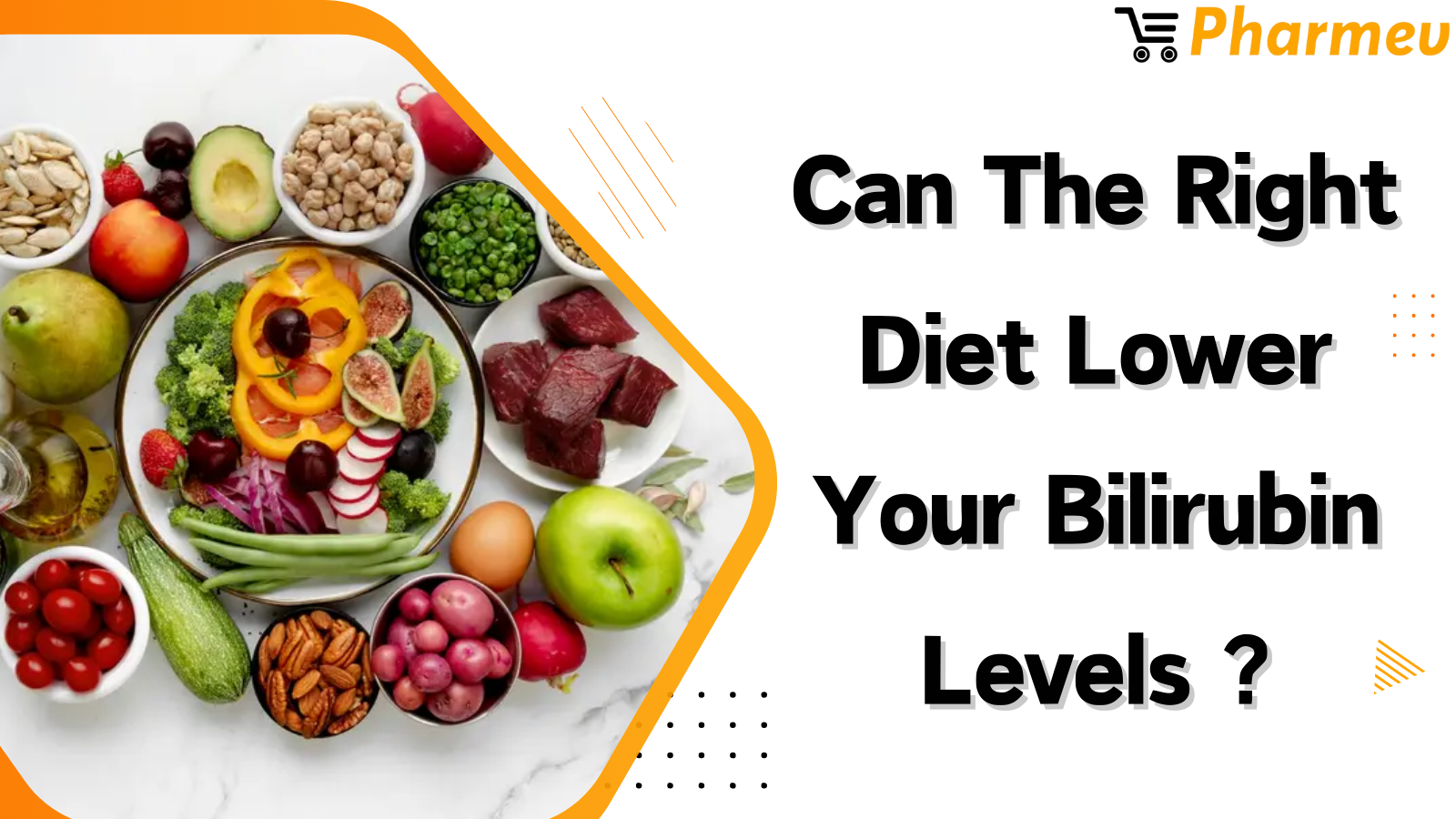
Eat fresh fruits and vegetables
Because fruits and vegetables are low in fat and sugar, they help to maintain liver and organ health.
Kwo recommends the Mediterranean diet to anyone wishing to improve their liver health. The diet emphasizes lush green vegetables.
- Grapes
- Cranberries
- Blueberries
- Nuts
- Olive oil
However, you should not consume pounds of them with every meal. The true trick here is moderation.
Increase your fiber intake
A high-fiber diet, according to the American Liver Foundation, is good for your liver. Men should aim for 30-38 grams of fiber per day, while women should aim for 21-25 grams.
Avoid alcoholic beverages
If you want to improve your liver health, you should cut less on alcohol. That’s because excessive drinking will harm your liver.
A federal panel of 20 health experts recently recommended that men and women restrict their consumption to one drink per day. However, to achieve optimal liver health, you should abstain from drinking totally.
Avocado
Avocados are high in vitamin E, which has been shown to lessen the risk of heart disease. They are also high in monounsaturated fats, which may help decrease cholesterol and triglyceride levels. Avocados include potassium and magnesium, both of which have been demonstrated to help lower blood pressure.
Avocados are high in fiber and low in calories, making them ideal for weight loss regimens or those looking for a healthy lunch option (or at any time!). Doctors greatly recommend avocados to ED sufferers; if someone is using ED medicines such as Cenforce Soft, they can eat avocado every day and lessen their medication dosage.
Broccoli
Broccoli is high in vitamin K, which helps with blood clotting and bone health. It also helps to avoid heart problems, including strokes. Broccoli has a lot of folate. Folate helps to prevent birth abnormalities including spina bifida and anencephaly.
Another benefit is that it helps maintain appropriate levels of homocysteine in your bloodstream and reduces inflammation throughout your body.
Egg whites
Egg whites are protein-rich and fat-free. Egg whites can help keep your bilirubin levels under control by providing the body with protein to create muscle tissue as well as other essential nutrients for liver function.
Lean chicken breast
Lean chicken breast is a high-protein and iron-rich food. It has modest amounts of fat, cholesterol, and salt. The lean bits also include selenium and niacin, both of which are important nutrients for maintaining a healthy bilirubin level.
Red bell peppers
Red bell peppers are high in vitamin C, which reduces inflammation and aids digestion. Vitamin C also has anti-inflammatory qualities and may aid with blood flow. Red bell peppers are ideal for balancing your bilirubin levels because they are abundant in antioxidants such as beta-carotene, lycopene, lutein, and zeaxanthin—all-important phytonutrients that have been shown to improve liver function by assisting the body’s bilirubin metabolism.
Spinach
Spinach is high in iron, which helps produce hemoglobin. The higher your hemoglobin level, the better your ability to absorb and use oxygen. Spinach also contains a lot of vitamin K, which helps to keep the liver working well and the eyes healthy by preventing bleeding issues and preserving good vision.
Spinach is regarded as one of the most nutritious plants on the planet due to its high vitamin content, which helps preserve health while also supplying fiber!
What causes high levels of bilirubin?
High bilirubin levels can indicate several disorders. Your doctor will consider your symptoms, as well as any other test results, to help narrow down the diagnosis.
- Gallstones:
These develop when cholesterol or bilirubin solidifies in your gallbladder. The gallbladder stores bile, a digestive fluid that aids in the breakdown of lipids before they enter the intestine.
- Gilbert’s syndrome:
This is a hereditary liver disorder in which your liver fails to handle bilirubin adequately. This causes bilirubin to accumulate in your blood.
- Liver dysfunction
This can refer to any disorder that impairs the function of your liver and causes bilirubin to accumulate in your blood. This is the outcome of your liver’s inability to eliminate and digest bilirubin from your blood. Cirrhosis, cancer of the liver, and autoimmune hepatitis are among examples.
- Hepatitis:
This occurs when your liver gets inflamed, usually as a result of a viral infection. When your liver is inflamed, it cannot easily handle bilirubin, resulting in a buildup in your blood.
- Hemolytic anemia:
This happens when blood cells degrade too quickly in the bloodstream. It is sometimes genetic, although it can also be caused by autoimmune disorders, an enlarged spleen, or an infection.
What are the signs of high bilirubin levels?
Your symptoms will be determined by the underlying reason for your elevated bilirubin levels. You can have modestly elevated bilirubin levels without experiencing any symptoms.
With moderately high bilirubin, you may just have jaundice, a yellowish tint in your eyes and skin. Jaundice is the most prevalent sign of elevated bilirubin levels.
- Chills
- Fever
- Chest Pain
- Weakness
- Lightheadedness
- Fatigue
- Nausea
- Vomiting
- Unusually Dark Urine
Walnuts
Walnuts include omega-3 fatty acids, which aid in decreasing blood cholesterol. They also include a lot of vitamin E, which helps to protect cells from harm. Walnuts are also high in copper, which helps build red blood cells and regulates iron levels in the body.
- Alcoholic beverages
- Caffeine
- Tobacco
Add these products to your diet. Many additional foods can help you balance your bilirubin levels, but the ones listed above are at the top of the list. They will not only help you balance your bilirubin levels, but they will also benefit your general health.
Maintain a Healthy Weight
Obesity can cause liver damage and high bilirubin levels. A well-balanced diet and regular exercise can help you maintain a healthy weight and improve liver function.
- Limit alcohol consumption
Excessive alcohol use can strain the liver and elevate bilirubin levels. If you drink, do so in moderation. Individuals with liver issues may want to avoid alcohol.
- Regular Exercise
Physical activity enhances general health, including liver function. Aim to complete at least 150 minutes of moderate-intensity exercise per week. Before starting a new fitness plan, consult with a healthcare practitioner, especially if you have any pre-existing health concerns.
- Herbal supplements
Milk thistle and dandelion root are two plants that have traditionally been used to improve liver health. However, before introducing herbal supplements into your routine, you should contact a healthcare expert, as they may conflict with drugs or have contraindications.
- Manage underlying health conditions
Addressing underlying health concerns, such as hepatitis or hemolysis, is critical for regulating bilirubin levels. Collaborate with healthcare providers to create a complete treatment plan suited to your requirements.
Last Words:
The items listed above have been shown to help maintain healthy bilirubin levels. While this list is not thorough, it should offer you some ideas about what foods might be useful for your particular health situation.
If your blood flow is normal, the danger of developing diseases like ED is quite minimal; however, if it is not, Sildigra 25 from Pharmev is one of the best medicines for it.